 Store Location
 Track Order



The Future Of Pine Log Siding Homes
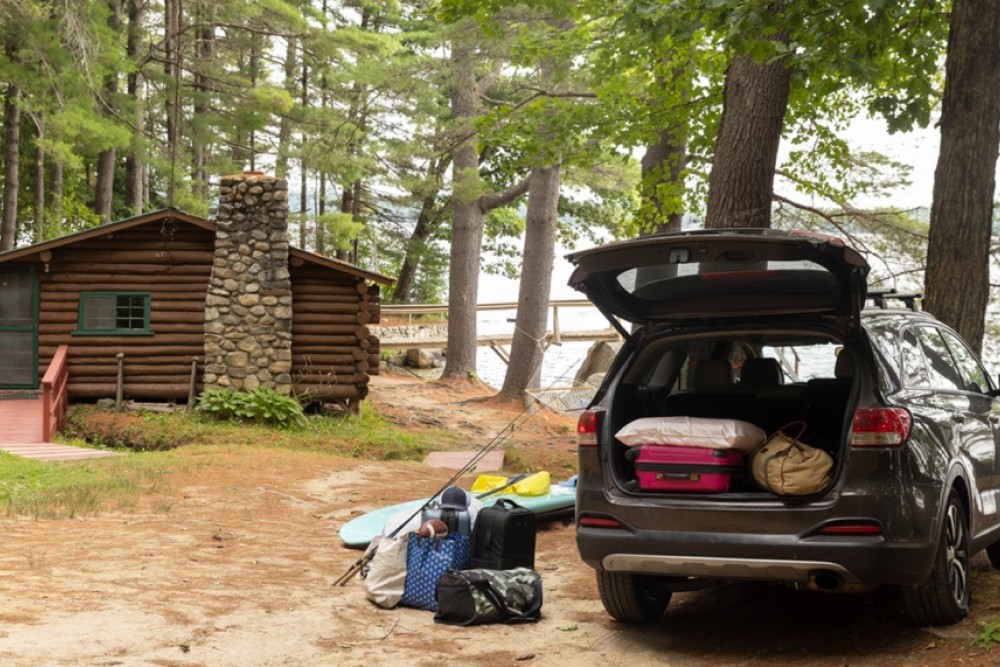
Log homes have been an American icon for generations, and their appeal is still strong. The Finnish and Swedish people originally brought the idea to America in the 1600s, and the idea caught on here. Although Benjamin Franklin did not like them, thousands of colonists did because the building materials were plentiful, and they fit the frontier perfectly.
The future looks bright for log homes in general and pine log siding homes in particular. Currently, the status of log homes is steady growth of traditional designs and floor plans to high-tech, eco-conscious luxury structures. Driven by artificial intelligence and sustainability demands, the market is beginning to embrace automated timber processing, AI-assisted design, and maintenance.
Carbon-negative construction helps ensure these homes remain highly sought-after ecological investments. Pine log siding fits this model because it is virtually a “no-waste sustainable” product. The following is how the future of pine log homes and cabins is shaping up:
Pine Log Siding Homes: Smart Design And Cost-Efficiency
Each year, between 30,000 and 35,000 log homes and cabins are built in the U.S. Of this number, many are pine log siding homes built in virtually all states. The reasons homeowners have liked them in the past are the same reasons they like them now and will continue into the future, including:
- Pine log siding homes provide the full log appearance without the full log price.
- They are faster and easier to construct because the siding is secured to conventional wall framing on the outside and inside.
- The tongue and groove, end-matched design creates tight joints and is a virtually “no-waste and sustainable” product.
- It’s easier and less expensive to find contractors and carpenters to install pine log siding than build with full logs.
- Homeowners with woodworking knowledge and skills can install the wood siding.
- Log siding homes and cabins do not regularly settle, shrink, expand, or crack like full log homes.
Smart Design And Virtual Visualization
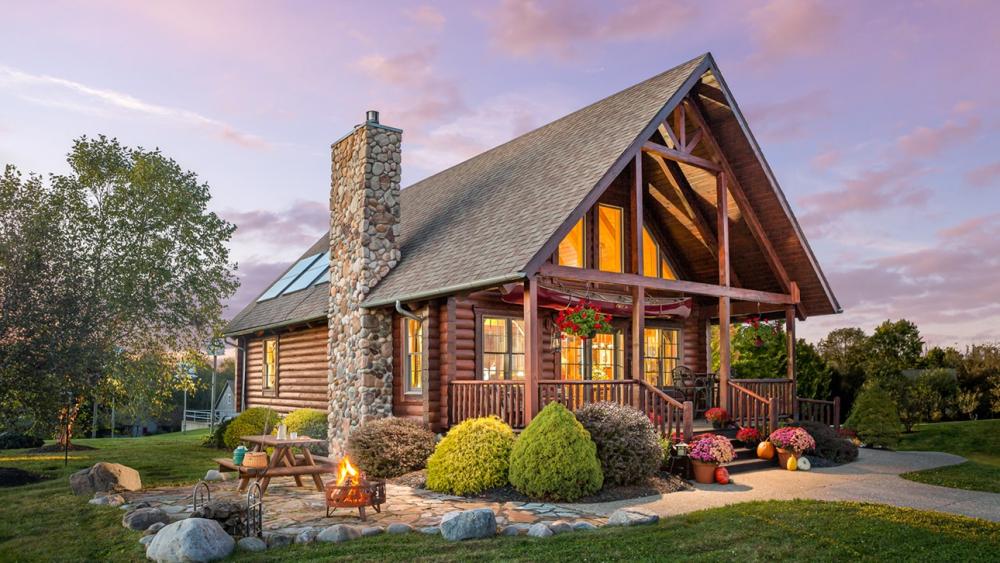 The future of pine log siding homes fits in with the AI (artificial intelligence) and home customization trend. Before swinging a hammer, buyers can use AI visualization tools, such as the Ideal House Visualizer to instantly generate design concepts, test new stain colors, or plan porch additions.
AI and Building Information Modeling (BIM) algorithms are being used to map out the exact structural integrity of pine log homes, predicting any shrinkage and optimizing for natural light and heating in real-time. Log siding manufactured by The Log Home Shoppe is kiln dried to the correct moisture content for stability and staining.
Upgraded Energy Efficiency and Eco-Friendliness
Another reason the future for pine log siding homes looks promising is because they leave a carbon-negative footprint. Buyers value pine log homes as long-term, energy-efficient structures because thick insulation is placed in the wall framing. Their efficiency is increased when wall framing is made with 2x6s instead of 2x4s because walls hold more insulation. Modern pine homes can increasingly pair locally sourced, certified timber with solar panels, smart insulation, and automated geothermal HVAC to create carbon-negative retreats.
The future is increasingly positioned to seek more eco-friendly and sustainable building materials. Pine log siding fits this futuristic mold because many fast-growing pine trees are regularly planted on tree farms to supply future generations of home builders. Thermal treatments may be applied to log siding to reduce any flaws that might occur.
“Log homes have been an American icon for generations, and their appeal is still strong.”
Precision Manufacturing And Robotics
Leading log siding manufacturers like The Log Home Shoppe use modern technology milling practices to create the ideal pine log siding. Their work is augmented by Computer Numerical Control (CNC) and AI-guided milling robots. This ensures exact, airtight fits between the pieces of log siding, drastically reducing construction time and on-site waste.
Red pine, also called Norway pine, is a stable and durable species for creating current and future log siding homes, cabins, and business buildings. Each piece of siding is hand-inspected to ensure defect-free products to meet your expectations.
Pine Log Siding Homes: Market Demand And Investment Value
When taking a look at the market demand and investment value of pine log siding homes, we see there is a global market expansion. Examine these positives:
- The global log cabin market is experiencing steady growth, valued well over $11 Billion, driven by the booming vacation rental economy and a surge in affluent buyers wanting rural eco-retreats.
- Due to their unique appeal, well-maintained pine log homes tend to retain strong scarcity value, often appraise higher, and resell better than conventional single-family homes.
Your Opportunity To Order High-Quality Pine Log Siding Is A Click Away
In the future, pine log siding will feature IoT (Internet of Things) AI sensors embedded within the wood to monitor moisture levels, detect bug activity, and alert owners when maintenance is needed via smartphone apps.
We hope these concepts about the future of pine log siding homes and cabins are interesting to you. In the meantime, you can order high-quality pine log siding, corner logs, and log trims from The Log Home Shoppe online at your convenience.


