 Store Location
 Track Order



Why You Should Stain Raw Knotty Pine Paneling Instead Of Painting It
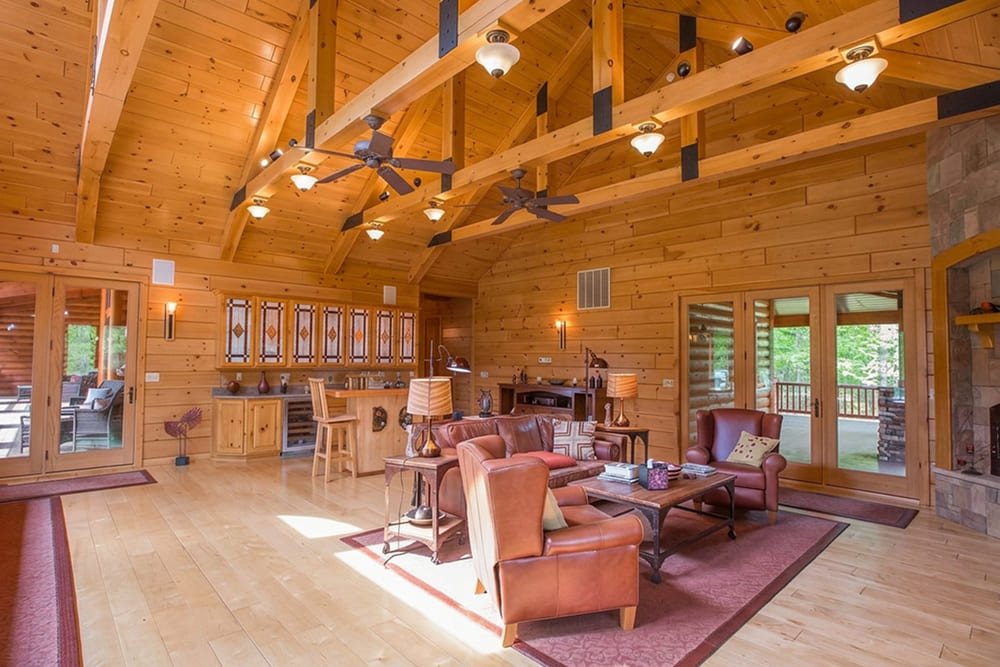
If you are considering painting unfinished knotty pine paneling, consider the benefits of staining it. Staining raw knotty pine paneling preserves the natural wood grain, texture, and distinct knots while avoiding the chipping and peeling common with painted wood. Paint just sits on top of wood while stain penetrates into the wood fibers.
Why Stain Raw Knotty Pine Instead of Painting It
Staining raw knotty pine paneling is a better choice than painting when you want to preserve the wood’s natural character. These reasons explain why staining is a great idea:
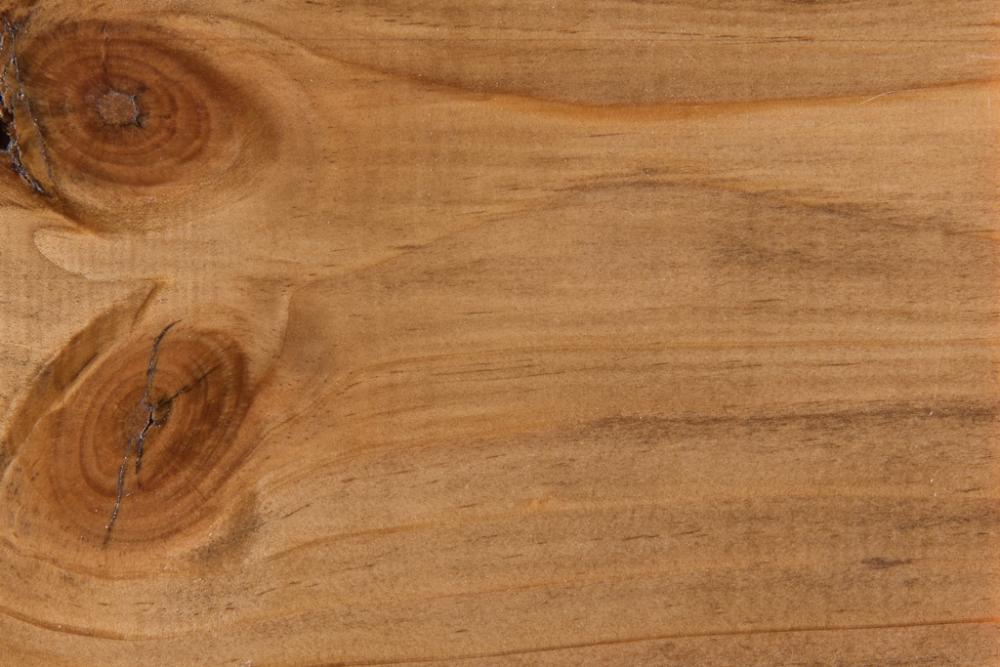
- Stain soaks into the wood pores instead of sitting on top, highlighting the unique natural grain and knots that make knotty pine special, while paint covers them.
- Staining creates a warmer, more natural inviting look. Stained pine can give a room a cozy, rustic, cabin-inspired feel.
- Stain products offer a range of styles. A light stain can brighten the paneling while preserving its grain; medium or darker stains can create a richer, more traditional appearance.
- The combination of visible grain, knots, and warm tones can add texture and visual interest without additional décor or paint.
- Stained pine paneling looks wonderful installed horizontally, vertically, diagonally, or in a unique layout.
Stain Provides Better Durability
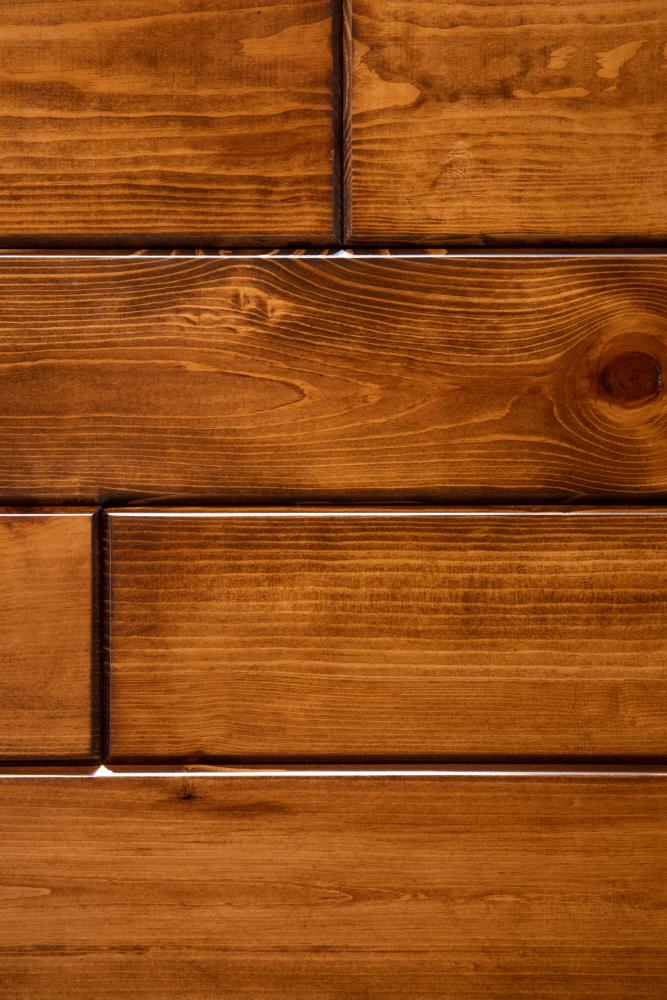 Stain provides better durability with wood movement because wood can expand and contract with changes in temperature and humidity levels. Paint forms a rigid plastic-like film on the surface that can crack or peel as the wood shifts, whereas stain moves with the material.
Once interior wood is stained, it retains its appearance for the long-term, especially when it’s covered with a clear protective top coat. It's difficult to replicate this with paint. Once knotty pine is painted, restoring its original appearance can require significant stripping and refinishing.
Knotty pine wood is durable and stable compared to some other wood species. Staining it does not affect its composition, and the color retains its luster for extended periods. You can’t go wrong by staining your knotty pine wall or ceiling paneling.
“Staining raw knotty pine paneling preserves the natural wood grain, texture, and distinct knots while avoiding the chipping and peeling common with painted wood.”
Stain Raw Knotty Pine For Easier Application
If you want an easier and faster way to color your knotty pine paneling, stain it rather than painting it, and here’s why:
- Staining generally requires fewer steps and typically just one coat.
- Painting raw knotty pine demands extensive cleaning, sanding, and specialized stain-blocking primers to prevent pine tannins from bleeding through.
- You may need to apply two coats of paint if you use a low-quality paint product.
- The stain color can be adjusted by either letting it penetrate longer for a darker shade or wiping it off for a lighter shade. You can’t do this with paint products.
- If the color is too light, just apply more stain and let it dry thoroughly.
One important consideration is that pine can absorb stain unevenly, especially around knots and softer areas. Using a pre-stain wood conditioner (or choosing a stain specifically formulated for pine) can help produce a more even finish. Pre-finished knotty pine paneling is available for saving plenty of effort – nail it up, and you’re done.
Stain Is Generally More Cost-Effective
When you want to save money finishing your walls or ceilings, go with stain instead of paint.
It is cost-effective because the process uses fewer overall materials and less extensive prep work than a full paint job. Buying it by the gallon is less expensive per ounce than buying quarts.
Use a cloth to apply stains instead of brushes or rollers to save money. One coat generally does it when you let it soak in to provide the right shade of color. A gallon of quality stain goes a long way, more than a gallon of paint. It is available in water-based and oil-based variations in most brands. Water-based stains are low-odor, and the finish does not yellow with age. Oil-based products provide a bit more warmth, but they emit a strong odor. Apply these staining tips from this video.
Stained Paneling Ages Gracefully
Stain keeps your wood looking like wood. If you like the character of real wood paneling, stain lets that character remain visible. This process lets the wood age gracefully. Small scratches, dents, and imperfections can blend into the natural variation of stained wood rather than standing out as much as they might on a solid painted surface.
Some Favorite Interior Stain Colors
Exploring stain colors, you find shades from light to dark that look great in virtually all home or cabin décor. All these colors are easy to order and apply to your walls or ceilings:
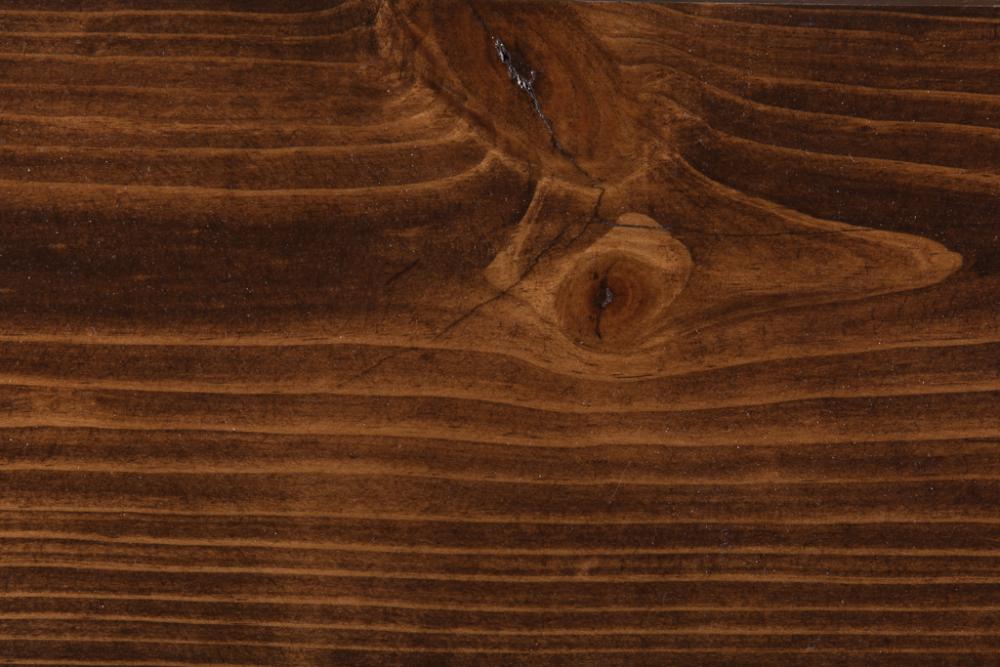
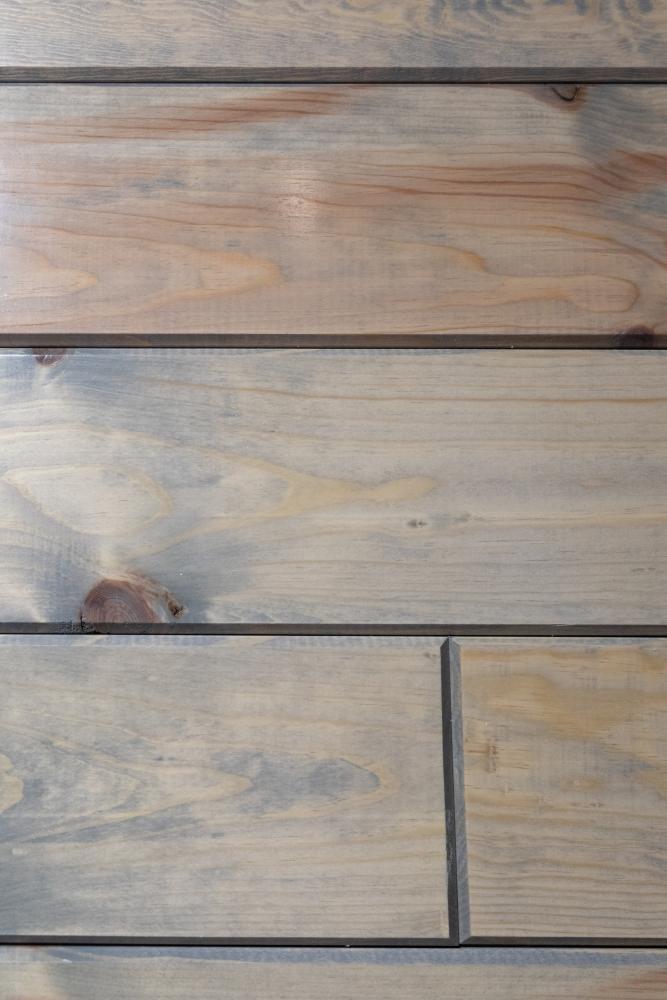
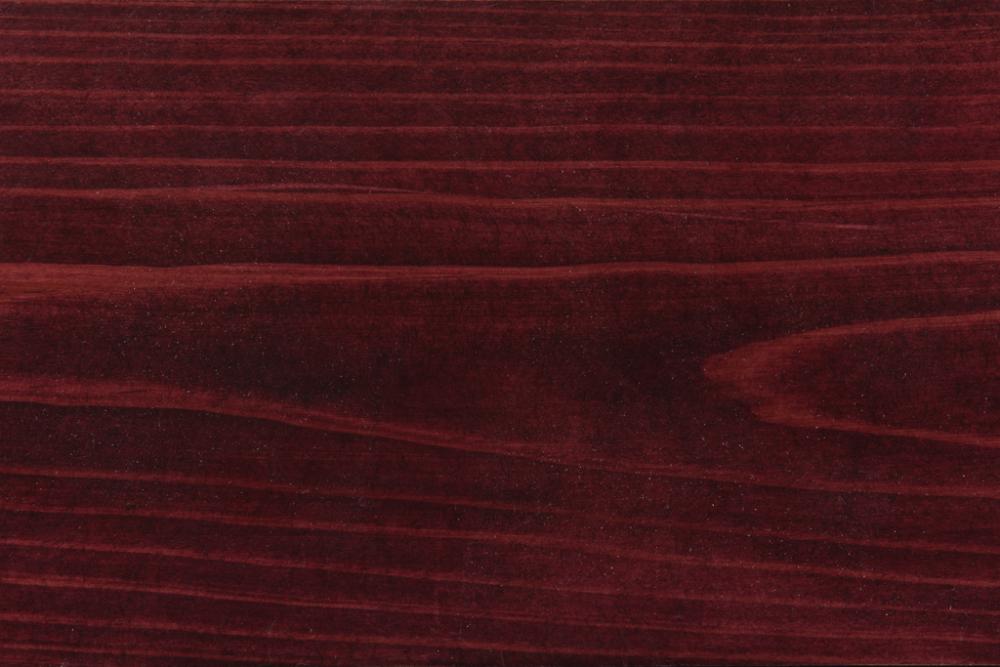
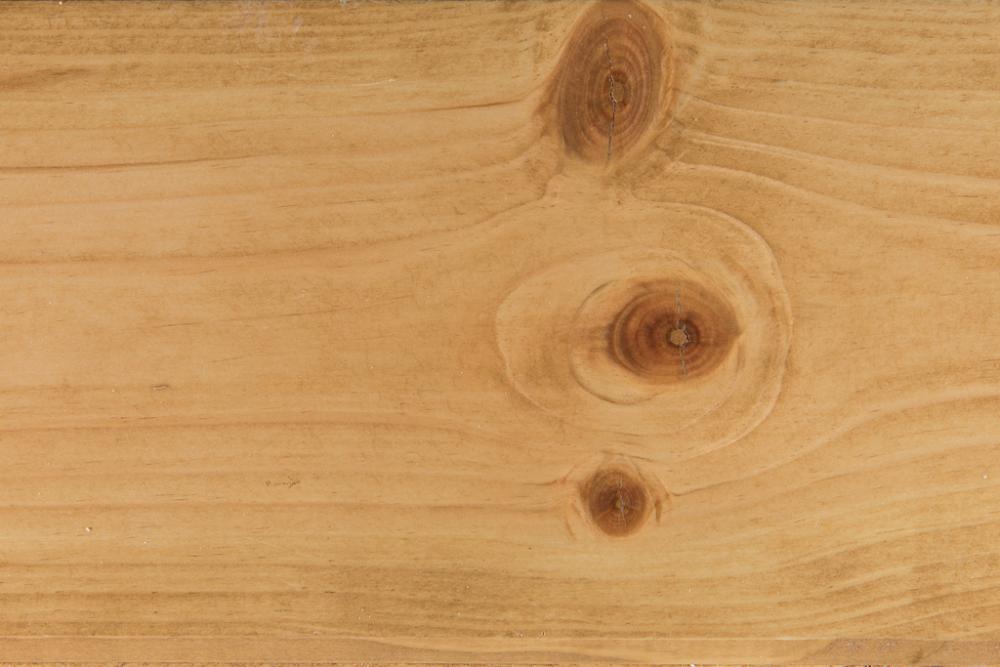
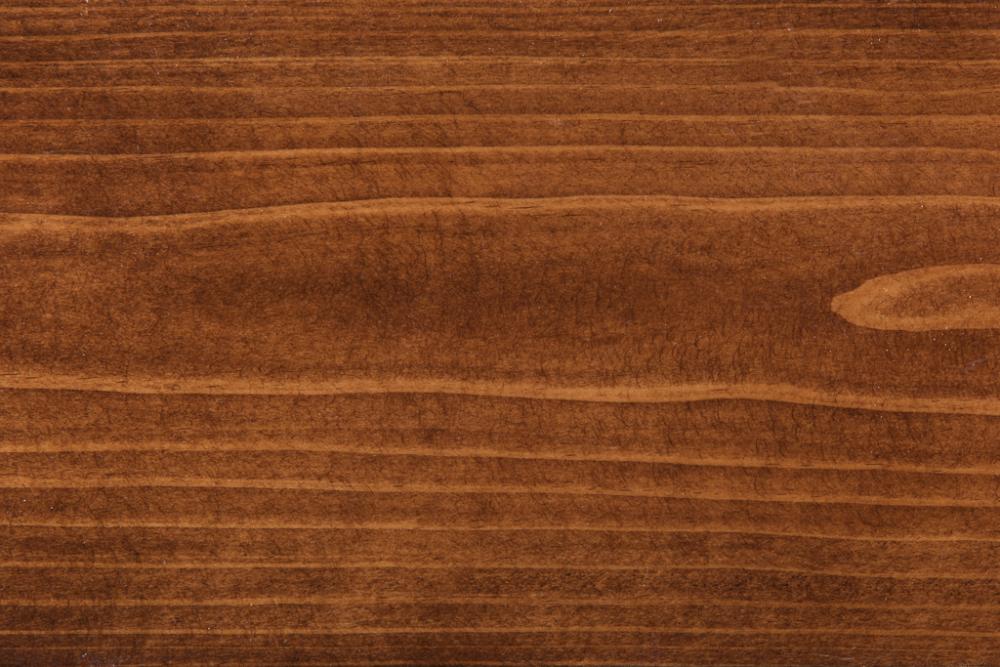
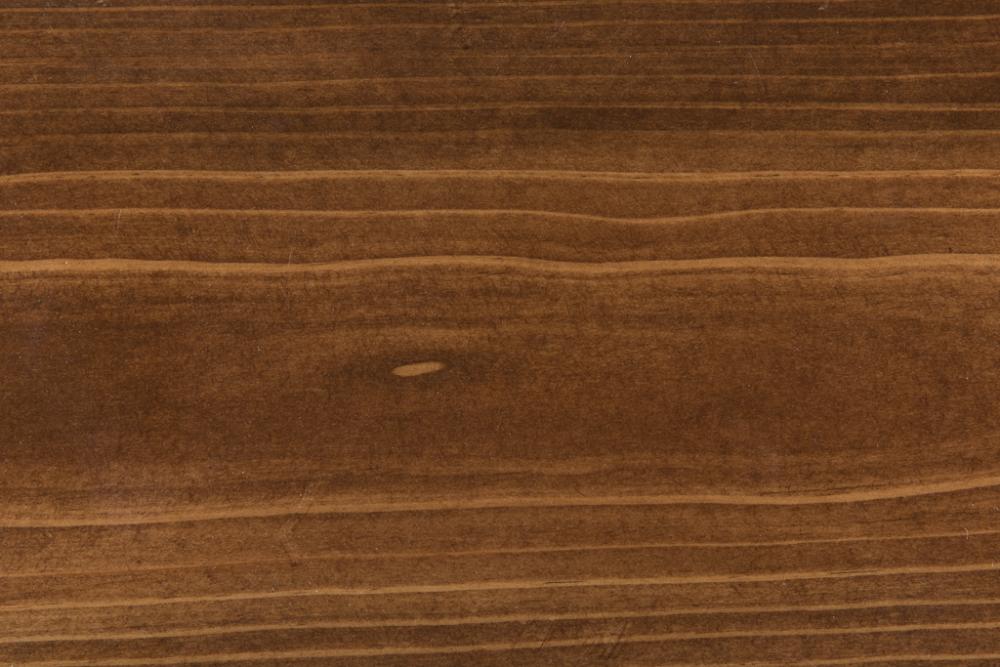
The colors above may vary a little depending on your screen’s color calibration and your wood’s characteristics. Custom matching a color of your existing wood is possible by calling our sales staff with your questions!
For faster installation of your knotty pine paneling, order pre-finished paneling. The advantages of purchasing pre-finished paneling include:
- No scheduling a painter or waiting for the weather to cooperate.
- No odors to smell while the finish dries.
- Installation is faster – nail it up, and you’re finished.
- There are no runs or thick places to redo.
- No need to buy brushes, cleaners, and finishing products.
- No mess to clean up afterwards.
Your knotty pine paneling can look amazing by staining it instead of painting it. Let us help you choose the paneling, stain, and clear coat to make your project look amazing and stay that way.


