 Store Location
 Track Order



Should I Convert My Cabin To A Log Siding Cabin?
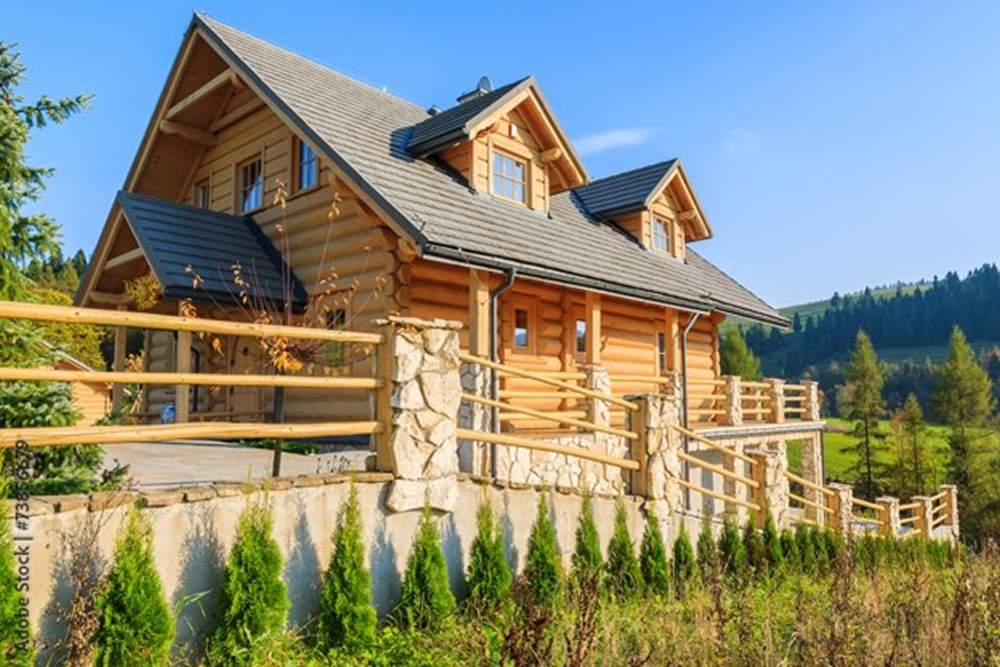
Converting your cabin to a log siding cabin is a smart choice if you want the classic rustic look of a full-log cabin without the high costs and heavy weight of solid log construction. The main benefits of this conversion are lower costs than a new full-log home, and you won’t need to relocate. The short answer to the question is “yes,” you should convert to a log siding cabin.
Benefits Of A Log Siding Cabin
Many benefits are available for anyone who wants to convert their existing cabin to a log siding cabin. The first one is tremendous cost savings (30%-50%) compared to building a new log siding or full log home on another lot. Consider these advantages:
- Labor Cost: Hiring builders and crane operators is less expensive than a full log build.
- Easier Installation: Log siding is lighter and installs much faster than stacking full logs.
- Less Maintenance: Siding is much less prone to the major warping, shrinking, settling, and cracking that affects full logs. No need to adjust windows and doors due to log settling and no replacing chinking when it falls out.
- Better Insulation Control: You have many choices of placing modern insulation inside the walls between the siding during installation. Thicker wall framing can be used for more R-value insulation.
- Locating Contractors: No need to search for specialized builders because conventional contractors can do the project.
- Homeowner Installation: Homeowners with woodworking knowledge and skills can do some of the work to save money.
- Building Material Availability: Tongue and groove, end-matched pine log siding is available year-round for shipping to your home.
- Pre-Finished Log Siding: Make the job faster and easier by installing pre-finished pine log siding, corners, and trims.
Save The Hassle Of Moving
If you have ever moved to another house, you know how stressful it can be even if you just move across the street. Remodeling your house instead of moving offers significant advantages across three main areas: major financial savings, total design customization, and preserving your lifestyle.
1. Significant Financial Advantages
- Avoiding Real Estate Transaction Costs: Moving is incredibly expensive beyond just the down payment. Staying avoids real estate agent commissions, closing costs, home inspection fees, and physical moving company bills.
- Keeping Your Existing Mortgage Rate: If you secured a historically low interest rate on your current home, moving would likely force you into a much higher modern market rate. Remodeling allows you to keep your low-rate mortgage intact.
- Building Long-Term Equity: Money spent on moving is lost to transaction fees. Money spent on remodeling is an investment that compounds your home equity. High-ROI projects like kitchen and bathroom remodels allow you to recoup a massive percentage of your costs when you eventually do decide to sell.
- Easier Financing Access: Banks view existing homeowners with a proven payment history as lower-risk borrowers. This makes securing home equity loans or Home Equity Lines of Credit (HELOCs) to fund your project faster and easier.
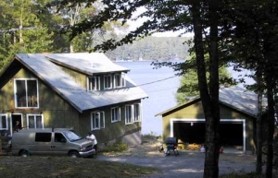
Before Conversion
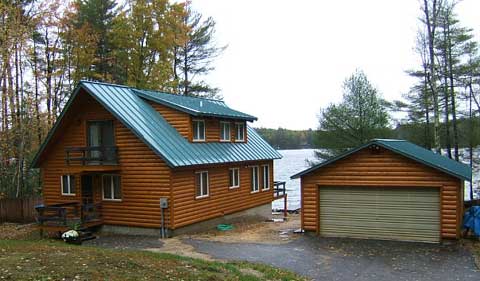
After Conversion
2. Complete Personalization & Customization
- Tailored to Your Exact Taste: Buying a new home often requires compromise. Remodeling to a log cabin grants you complete control to reconfigure layouts, tear down walls for open-concept living, finish basements, or design a dream kitchen tailored exactly to your daily routine.
- No "Hidden" Home Drama: You already know your current house inside and out, including its quirks and what needs maintenance. Buying a different "used" home always comes with the risk of inheriting someone else's hidden structural, plumbing, or electrical problems.
- Unlocking Hidden Square Footage: Many homeowners don't actually need a larger property footprint; they just need to optimize what they have. Remodeling lets you convert unutilized spaces—like attics, basements, or garages—into highly functional home offices or bedrooms.
3. Preserving Community & Lifestyle
- Staying in a Desirable Location: If you love your neighborhood, local parks, safety, and proximity to your workplace, you don't have to give them up. Finding an equivalent or better location in a tight housing market can be incredibly difficult.
- Zero Disruption for Your Family: Moving means uprooting your lives. Remodeling ensures your children stay in their current trusted school districts, you remain close to established neighborhood friends, and you preserve the sentimental memories tied to your property.
“The main benefits of this conversion are lower costs than a new full log home and you won’t need to relocate.”
Log Siding Cabin Conversion Considerations
Converting a cabin to a log cabin requires making a few decisions with your contractor before the project begins. The first is removing the exterior and interior wall materials from the wall framing or installing log siding over them. The second is leaving the windows and doors intact or reframing them for new windows and doors.
In general, door, window, and other interior and exterior trims will need removing and replacing with pine trims and baseboards. Light switches and outlets need adjustments to mesh with the thicker log siding. Light fixtures can remain in place in the ceilings if you do not change the existing drywall. If you replace the drywall with knotty pine paneling, their placement will need adjustments. See how log siding is installed in this video.
Log cabin living is fun, exciting, and relaxing. You can enjoy it at less cost by converting your cabin to a log cabin with pine log siding. The Log Home Shoppe is America’s leading online log home supplier. Visit our website to explore our amazing products.


