 Store Location
 Track Order



9 Ways To Store Clothes And Related Items In Your Log Cabin
We all have clothes and many other items to store in our log cabins, but space is typically limited. How do we put them away without cluttering up the rooms? Some of you have solved this issue, while others have not yet mastered keeping a tidy house. Consider the following recommendations that other people have found successful for log siding and full log cabins.
Reach-In Closets For Storing Clothes In Log Cabins
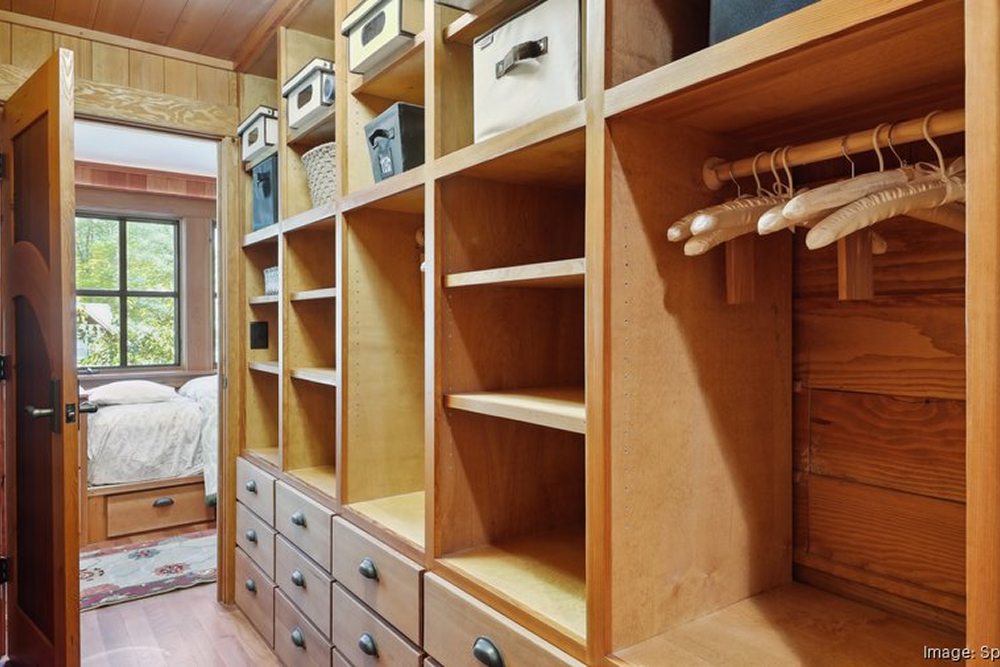
 Reach-in closets with or without doors are popular for storing clothes, shoes, belts, purses, hats, caps, linens, and more. These functional units should include at minimum:
- Typical reach-in closets are 6 feet wide, 2 feet deep, and 8 feet tall, though widths can range from 3 to 8 feet.
- Single hanging rods are typically placed 60 to 72 inches high. Double-hanging rods for shirts and pants use an upper rod at 80 to 84 inches and a lower rod at 30 to 42 inches.
- Shelves, bins, or boxes for storing small items that are used often. Shelf depth of 12 inches is standard for shoes, folded clothes, and storage bins.
- Leave 24 to 36 inches of open floor space in front of the closet to comfortably stand and open doors.
Walk-In Closets Provide The Most Room
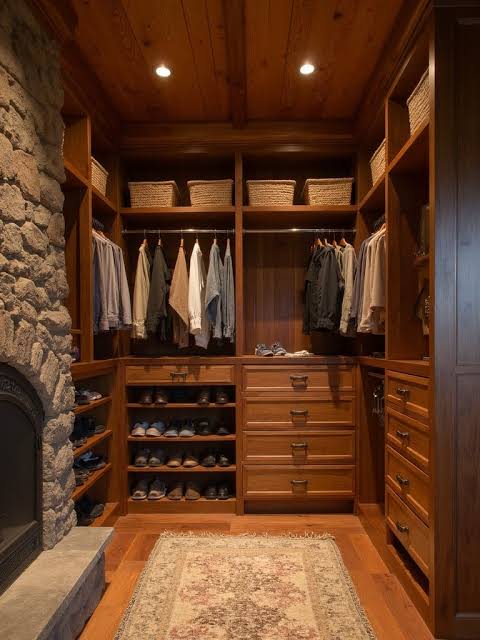
In an ideal world, walk-in closets are perfect, except many cabins are not large enough to have them. A major advantage of this type of closet is the ability to install organizing units.
An average walk-in closet measures roughly 6 by 8 feet to 7 by 10 feet, requiring a minimum width of 6 feet to allow for about 2 feet of storage depth on each side and a comfortable 36-inch clear walking aisle down the middle. Small walk-in closets are an option.
Common layouts include L-shaped (using two adjoining walls) or U-shaped (wrapping storage around three walls), while smaller spaces rely on a single-wall linear design. Double-hung rods (stacked vertically at about 40 to 42 inches each) for shirts, blouses, and folded pants, alongside a taller section (around 60 inches high) for dresses, long coats, and robes are workable.
Shelving and drawers can include fixed or adjustable wooden or wire shelves (typically 14 inches deep) for folded sweaters, purses, and shoes, paired with built-in drawer banks for undergarments and accessories. Outfitted with bright overhead lighting and sometimes upgraded with a full-length mirror, a central island dresser, or a small seating bench are ideal.
“How do we put them (clothes) away without cluttering up the rooms?”
Wardrobes For Storing In Smaller Bedrooms
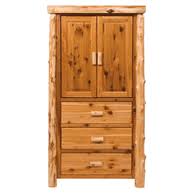 A typical freestanding or built-in bedroom wardrobe unit is a floor-to-ceiling rectangular cabinet designed with internal hanging rods, adjustable shelving, and pull-out drawers to organize clothing and accessories.
- Height: Typically ranges from 7 to 8 feet, utilizing vertical wall space up to the ceiling.
- Depth: Standard depth is about 24 inches (60 cm) for hinged doors.
- Width: Varies by configuration, from compact single units (24 to 36 inches) up to large triple or multi-door configurations (60 to 98 inches).
- Hanging Sections: High hanging rods (66 to 72 inches) for long dresses and coats and double-stacked rods (40 to 42 inches each) for shirts, jackets, and folded pants.
- Shelving: Fixed or adjustable horizontal shelves spaced 12 to 15 inches apart.
- Drawers: Integrated shallow drawers (4 to 6 inches deep) for storing accessories.
Wall Hooks, Shelves, Leaning Ladders
When space is quite limited, go for wall hooks, shelves, and leaning ladders with or without a small wardrobe unit. Many of our ancestors got by with these storage practices, and you may be able to. Hooks, pegs or dowels ½” to 1” in diameter strategically placed on one or more walls can provide hanging space for coats, hats, slacks, shirts, and blouses.
Open shelves 12” deep and in convenient lengths provide flat surfaces to stack clothing items and accessories that can look neat. Leaning ladders can be used for hanging clothes as well as blankets and quilts.
Under Beds And Multi-Functional Furniture
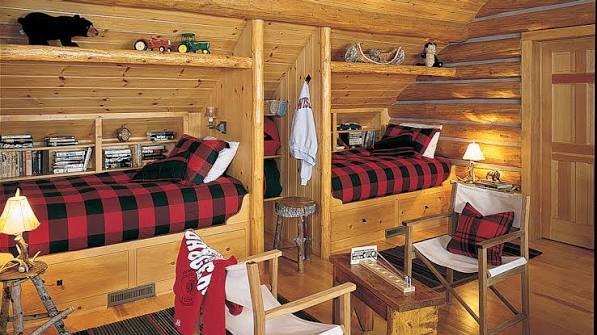 Other useful ways to keep clothing out of dust include placing them in under-bed pullout units and multi-functional furniture. Under-bed pull-out storage units are low-profile containers or built-in drawers designed to slide smoothly in and out of the unused space beneath a bed frame. They can be equipped with 360-degree rolling casters or wheels (some with locking brakes) or independent non-marking rollers for effortless sliding on carpet or wood floors.
Multi-functional furniture includes storage ottomans, benches, and blanket chests. Upholstered boxes or benches placed at the foot of a bed or in an entryway that provide a seat while concealing winter accessories, shoes, or extra garments.
Free-Standing Garment Racks Can Do The Job
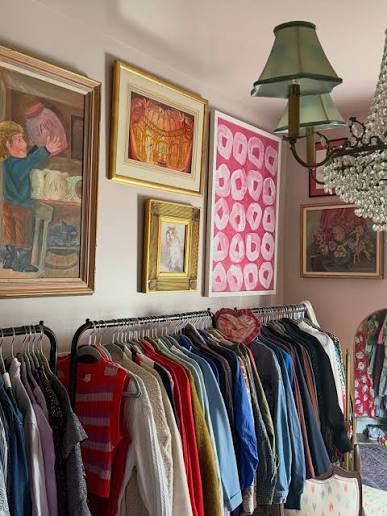 Although not common, free-standing garment racks can be useful in small bedrooms. They are independent, movable storage frames designed to hold clothes on hangers without attaching to a wall or built into a closet. Their key features include:
- Independent Base: They stand securely on their own using metal, wood, or plastic legs.
- Hanging Rods: A top bar holds clothes on standard hangers.
- Extra Storage: Many designs include bottom shelves for shoes or top shelves for folded items and storage boxes.
- Portability: Some models feature wheels or rolling castors so you can push them easily from room to room.
Storing clothes and related accessories in a log cabin can call for thinking “outside the box” to find space to meet your storage needs. Consider using several of the ideas covered in this article for adequate and neat storage of your necessary items. If you are planning to build a log cabin or upgrade an existing one, let us hear from you. We are America’s leading online log home material supplier at The Log Home Shoppe.


