 Store Location
 Track Order



7 Ways To Fireproof Your Log Home
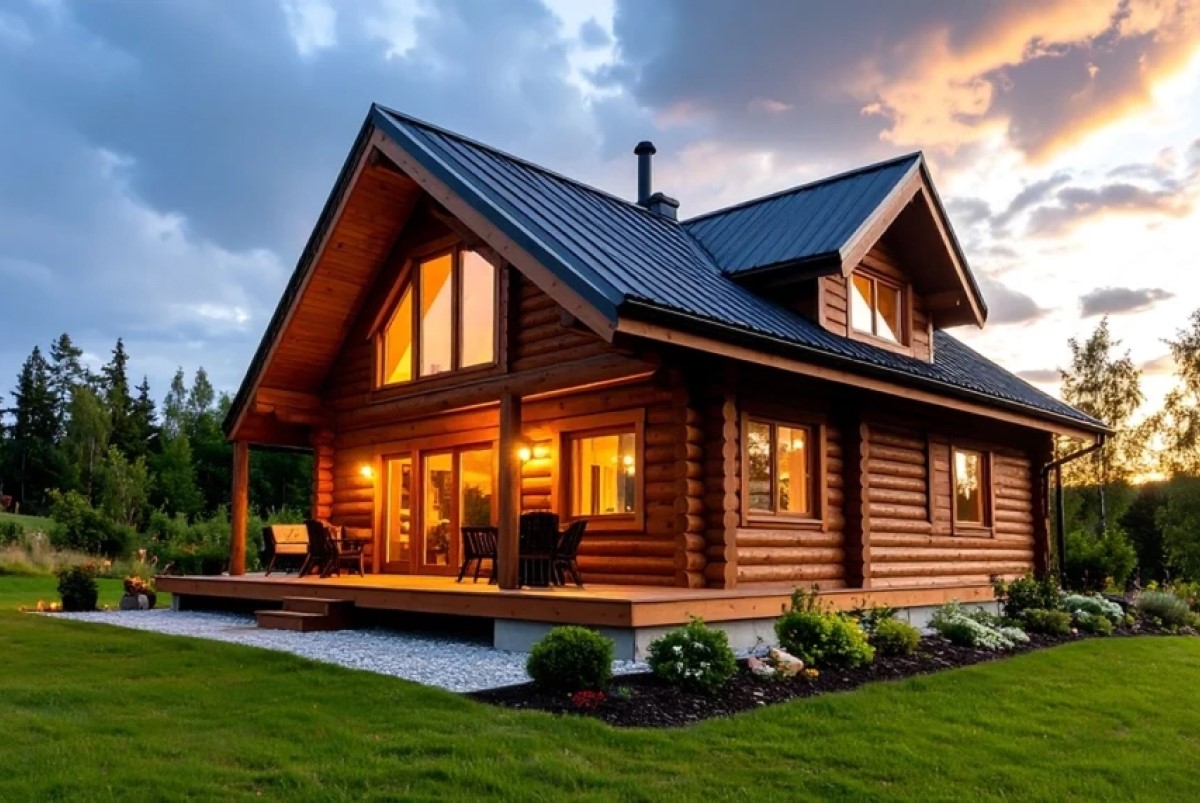
Modern log homes, whether constructed with pine log siding or full logs, are much safer than those of yesteryear. Homeowners must still take precautions to safeguard their houses from internal and external fires. Not only will your log home be better protected, insurance companies will see you as a lower risk and may charge lower rates.
Fireproof Your Log Home: Home Structure
The place to start your log home fireproofing is its structure. Install Class A fire-rated roofing, such as metal, tile, or slate on a new home, or replace any wood shingles with these materials.
- Install or upgrade to tempered glass windows and solid-core, exterior metal-clad doors.
- Use a fire-retardant spray on your pine log siding or full logs for protection.
- Regularly clear gutters and eaves of leaves, pine needles, and other flammable debris.
- Apply fire-retardant treatments not just to firewood but also to decks, porches, patios, and other exterior wooden elements.
- Install metal mesh screens in your eave vents with no larger than 1/8 inch wide openings to prevent hot embers from entering the roof.
- Close windows and pet doors when away from home to prevent ember entry during a wildfire.
Wood-Burning Stoves And Fireplaces
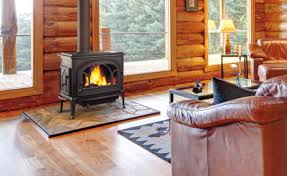 Special precautions should be taken for anyone using a wood-burning stove or fireplace. To safely operate a wood-burning stove or fireplace, have them professionally installed and inspected. Adhere to all local fire and insurance company codes and regulations, such as distance from log walls and flammable objects.
You should clean your wood-burning stove or fireplace regularly, ensuring the fire bricks are solidly in place. Repair any gaps in the sides or top of a fireplace because wood behind it may catch on fire. Burn only dry, seasoned wood, and always extinguish the fire before leaving your home for the day or going to bed. You may keep the fire burning during the night in cold weather only if your system is completely safe to do so. Install smoke and carbon monoxide detectors on every floor and near bedrooms. Keep a metal container in the house to safely dispose of ashes and place it at least 30 feet away from the house.
“Homeowners must still take precautions to safeguard their houses from internal and external fires.”
Fireproof Your Log Home: Stove Pipes And Chimneys
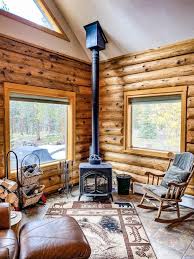 Properly installing and maintaining a chimney is critical for your home’s safety. Homes can catch fire by carelessly using chimneys or taking them for granted. Follow these guidelines:
- A chimney should be cleaned annually if used little, or twice annually if used regularly.
- You can clean the chimney and cap free of buildup, but if you are not comfortable doing it, hire a professional chimney sweep.
- Single-wall stove and chimney pipes can become very hot and dangerous. Although they are less expensive than higher quality pipes, don’t use them.
- Many experts advise using a double-wall pipe from the stove to the ceiling and a triple-wall pipe through the ceiling and roof to avoid problems. They have air spaces between the walls to keep the outer pipe from overheating.
- Avoid burning green wood, as it can cause creosote buildup and chimney fires. Never burn garbage, plastics, or pressure-treated wood, as these products can release toxic chemicals or start chimney fires.
Outside Your Home
There are many things you can do outside your log home to protect it from fires. Create and keep a 30-feet defensible “fuel-free” zone around the house by removing dead brush, firewood, and other combustibles. Trim low-hanging tree branches to 8 or 10 feet above the ground that are close to your home. Clear out dense vegetation, and keep trees from overhanging the roof.
Do not stack firewood against the house or on a wooden deck or porch. You can spray a fire- retardant material on stacked firewood to delay ignition and reduce damage to the wood in case of wildfire. If you use a wood-burning stove or fireplace, put the wood ashes in a metal container away from the home.
When possible, install an outdoor sprinkler system to help protect the roof and surrounding area from wildfires. If you use a backyard fire pit, take all safety precautions, such as keeping it at least 10 feet away from anything combustible and extinguishing the fire when finished.
Other Critical Precautions
In closing, additional precautions can be taken to help fireproof your log home, cabin, or cottage. They are useful at all times, including:
- Ensure your wood stove or fireplace insert has been tested by a qualified testing laboratory.
- Ensure that any on-off switches and remote controls for wood-burning stoves and fireplaces are out of the reach of children at all times.
- Keep the doors of your wood stove or fireplace insert closed unless loading wood, stocking the fire, or cleaning out ashes.
- For fireplaces, always use a sturdy metal mesh or glass screen to prevent embers from escaping the fire.
- Keep a working, charged fire extinguisher readily accessible near the stove or fireplace.
- Create and practice a workable fire escape plan with family members.
Living in a log home is a beautiful experience, and you should take these precautions to prevent losing part, or your entire wonderful log home due to a fire.


