 Store Location
 Track Order



Why Adequate Roof Overhang Is Critical For A Log Home
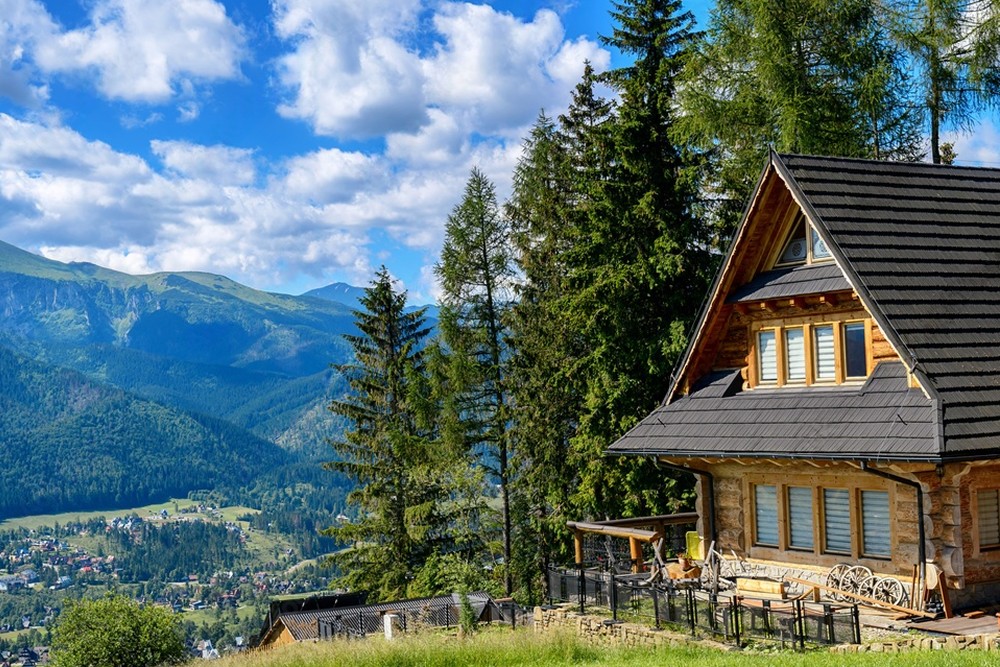
An adequate roof overhang—ideally 12–36 inches or more—is critical for a log home to protect the wood from moisture, the primary cause of decay. It acts as an "umbrella," directing rain, sleet, hail, and melting snow away from walls and the foundation, preventing rot, mold, and costly maintenance. Hotter climates require wider overhangs (24+ inches) for shade, while snowy areas might need specific, supported, or smaller overhangs to handle snow load.
Key Reasons For Adequate Log Home Roof Overhang
You should not skimp on roof overhangs when building a log home, cottage, or cabin. If you do, it can save a little money, but in the long run you will probably regret it. Here are the key reasons for ample roof overhangs on your home:
- Preventing Water Damage & Rot: Logs are vulnerable to moisture, which leads to rot and decay. Large overhangs stop water from splashing back onto the logs, particularly during driving rain.
- Protecting the Foundation: By moving water away from the base, overhangs prevent moisture from pooling at the base logs and seeping into the foundation.
- Reducing Maintenance Costs: Protecting logs from the elements significantly reduces the need for frequent staining, sealing, and repairs.
- Providing Sun Protection: Extended eaves shade windows and walls, reducing UV damage, reducing sun bleaching, and improving energy efficiency by keeping the cabin cooler.
- Recommended Size: For longevity, experts recommend 24-inch to 36-inch (or larger) overhangs, especially for multi-story homes.
- Increase Home’s Lifespan: Properly designed, large overhangs act as a primary defense against the elements, significantly increasing the lifespan of a log home.
- Provide Ventilation: Air flows through vents under the eave to help cool the home.
Components Of A Log Home Roof Overhang
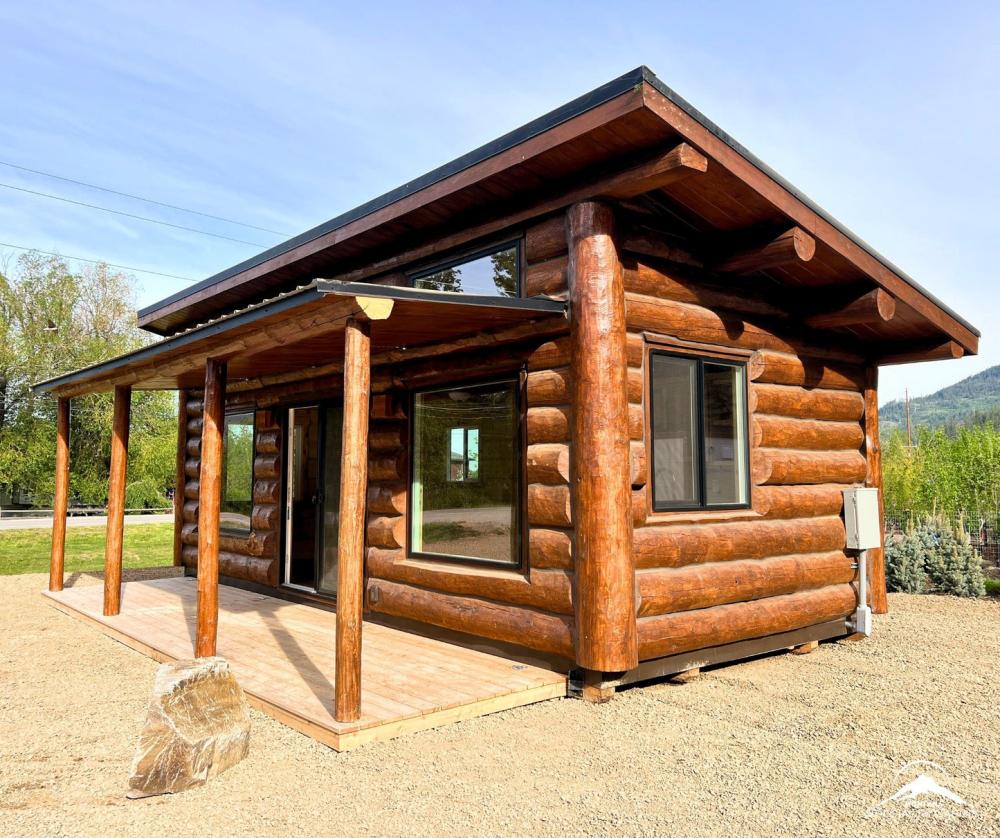 The components of a log home or cabin roof overhang are easy to understand. The eave is the edge of the roof that hangs over the exterior wall, providing protection to the siding and walls. Rake is the edge of the roof extending over the gable end (sloped side) of the house. Soffit is the underside of the eaves, which helps with attic ventilation. Fascia consists of the board running along the edge of the roof, covering the ends of the rafters, and supporting the gutters. (Shed roof style shown here) Each component serves its purpose in a roof’s structure and should be properly built. Adding the roofing and gutter system will help ensure the eaves’ functionality.
“An adequate roof overhang—ideally 24–36 inches or more—is critical for a log home to protect the wood from moisture, the primary cause of decay.”
Key Types Of Roof Overhangs
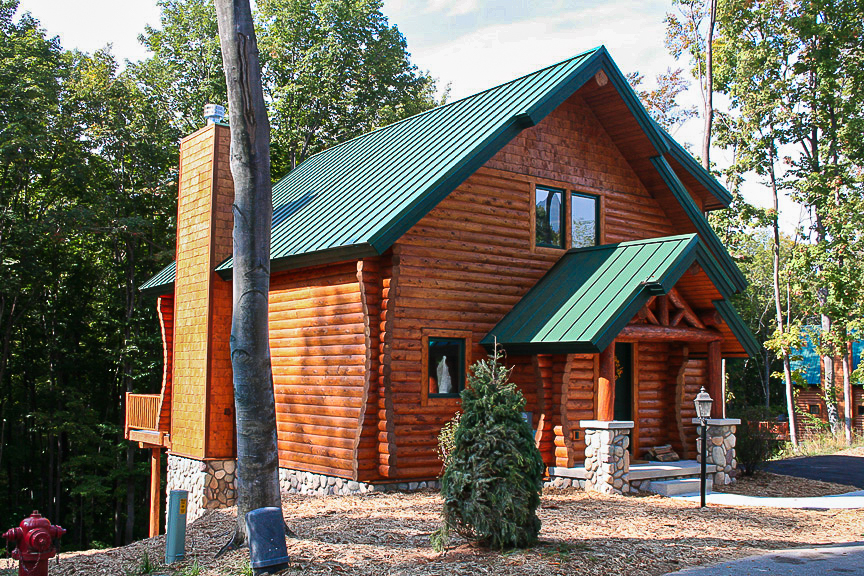 Many types of roof overhangs are available, and you should select the one that serves its purpose best for your log home style, climate, and budget. Here are the most popular ones:
- Gable Roof Overhang: (Shown above) Features two sloping sides that meet at a ridge, extending beyond the wall to provide shade and water protection. Open gable styles show rafters, while enclosed styles do not and provide a finished look.
- Hip Roof Overhang: A continuous, even overhang that wraps around all four sides of a home, common in hip-style roofs for consistent protection.
- Shed Roof Overhang: A single-slope roof section, often used for additions or modern, minimalist designs. It offers efficient water runoff.
- Flat Roof Overhang: Common in modern, industrial, or minimalist homes, these provide clean lines and shade to outdoor spaces, requiring careful engineering for proper drainage.
- Cantilevered Overhang: A modern design where the roof extends without visible vertical support, offering a dramatic look and shading for windows or entryways.
- Bonnet (Kicked-Eave) Overhang: Features a double slope, where the lower part of the roof has a gentler pitch that extends out, often used for porches.
Log Home Roof Overhang: Structural Styles And Finishes
Another part of your log home construction is determining which structural style and finish works best. Open Overhangs have rafters, beams, or trusses visible underneath, creating a rustic or traditional appearance. Boxed/Enclosed Overhangs are made with the structural elements hidden behind a horizontal covering called a soffit, creating a cleaner, more finished look. Extended Eaves are specifically designed to project further out from the walls for maximum shade and weather protection, beneficial for energy efficiency.
With Open Rafter Tail eaves, the ends of the rafters are often shaped, painted, or stained as a decorative feature. Properly designed and ventilated soffits with vents are crucial to prevent heat and moisture buildup in the attic. Common materials for finishing eaves include aluminum, vinyl, wood, or fiber cement, chosen for moisture resistance and aesthetic appeal.
Summing It Up
Selection and construction of roof overhang styles is significant for your architectural design, climate, protection, and budget.
TIP: Building a log home, cabin, or cottage with pine log siding is more economical than full logs or timber frames. You end up with the full log look and fewer structural issues.


