 Store Location
 Track Order



10 Frequently Asked Questions About Knotty Pine Paneling
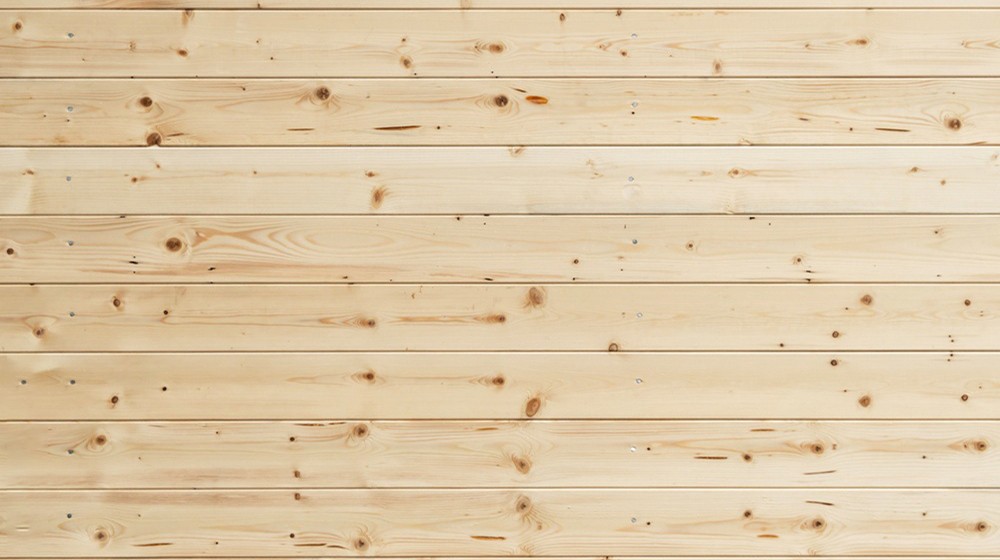
Knotty pine paneling is a popular, durable, and cost-effective rustic wall and ceiling material, typically made from Norway (red) pine featuring natural, dark knots. It is highly versatile for cabins and homes, usually sold in tongue-and-groove planks. Key features involve kiln-drying, staining, and clear-coating rather than painting to preserve its natural beauty. Here are 10 frequently asked questions about knotty pine paneling:
Knotty Pine Paneling Questions And Answers
 1. What is Knotty Pine Paneling? It is a type of wood paneling made from pine trees characterized by its visible knots, color variations, grain patterns, and mineral streaks, which provide a rustic look. It is one of the most affordable types of wall and ceiling paneling available.
2. Is It Durable and Sustainable? Yes, it is a strong, durable, and lightweight wood, making it ideal for walls and ceilings. It is a stable product because it does not shrink like some other woods. Pine paneling is a sustainable product because many of the trees are grown and replanted on tree farms.
3. Does It Need to Be Sanded? High-quality, pre-milled paneling often comes pre-sanded, but less expensive options may require sanding before staining. Pre-sanded paneling only needs dusting off, staining, or clear coating. Pre-finished paneling arrives already sanded, stained, and topped off with a clear coat finish.
4. What Sizes Are Available? It is commonly available in 1x4, 1x5, 1x6, and 1x8 inch widths and random lengths, with a typical thickness of ¾ inch. You can use the same size on walls and ceilings, or mix and match the widths and lengths for a special effect.
5. What Is Tongue and Groove with End-Matching? Tongue and groove means a groove is milled into one side the entire length of the board, and a tongue is milled on the other side the entire length. End-matching means the ends of the boards are also tongue-and-grooved to interlock, which saves time on measuring and cutting, as joints don't need to meet over studs.
6. Does It Need to Be Thoroughly Dried? Yes, it must be properly kiln-dried to specific moisture content levels before installing to prevent shrinking, cupping, or warping after installation. The wood is kiln-dried at the mill to specific standards for professional staining and finishing.
“Knotty pine paneling is a popular, durable, and cost-effective rustic wall covering, typically made from or Norway (red) pine featuring natural, dark knots.”
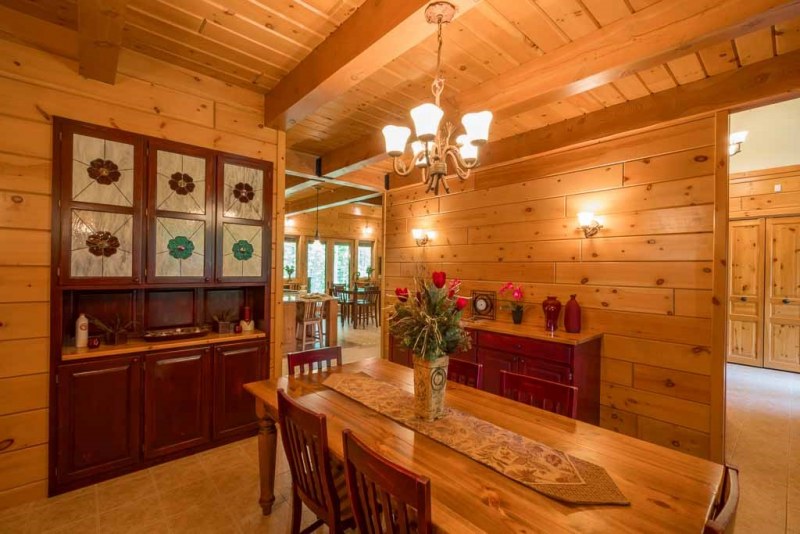 7. Should I Paint or Stain It? Staining is recommended over painting because paint can peel, bleed, and hide the wood's beauty, while stains preserve it and protect against moisture. Painting sits on top of the wood, and two coats may be required that runs up the cost. Staining sinks into the wood and typically only requires one coat that saves money.
8. Can I Use It in Bathrooms? Yes, it can be used in bathrooms, but it must be properly sealed with a high-quality polyurethane or similar product to prevent moisture absorption. It looks great in bathrooms in many styles of homes, especially log cabins and log homes.
9. How Do I Install It? The best option is using tongue-and-groove (T&G) with end-matching paneling, which conceal nails and provide a flat, stable surface. Nail it to the wall framing with a nail gun starting at the floor level and go up the walls. Level the first piece about 3/16” above the floor, and use the cut-off end piece to start the next row.
10. How Do I Clean It? Regularly dusting with a soft cloth or vacuuming, and cleaning with a damp cloth and mild soap is usually sufficient. Do not use harsh detergents or chemicals because they may dull the finish on the surface.
Key Considerations For Knotty Pine Paneling:
- Acclimation: Allow the wood to acclimate to your home's humidity for several days before installing.
- Trim: Use matching knotty pine trim and moldings to complete the look.
- Cost: It is one of the most economical wood options available, making it excellent for affordable rustic or modern redesigns.
Trims, Moldings, And Baseboards
Knotty pine wall and ceiling paneling look bare without appropriate trims, moldings, and baseboards. They are available in unfinished and pre-finished conditions for your convenience and can be ordered with your knotty pine paneling. These are the typical styles and sizes:
Knotty Pine Colonial Casing 1”x3” – Unfinished and Pre-Finished
Knotty Pine Round Over Casing 1”x3” – Unfinished and Pre-Finished
Crown Molding 1”x3”
Knotty Pine Baseboard 1”x4” and 1”x5”
1” Knotty Pine Inside Corner
1.5” Knotty Pine Outside Corner
1”x2” Knotty Pine Ceiling Trim
¾” Knotty Pine Quarter Round
Knotty pine paneling has been a favorite product for decades and is still trending. We hope the ideas presented in this article help you understand it better for making home project decisions.


