 Store Location
 Track Order



Modern Knotty Pine Paneling: Not Your Grandfather’s Walls
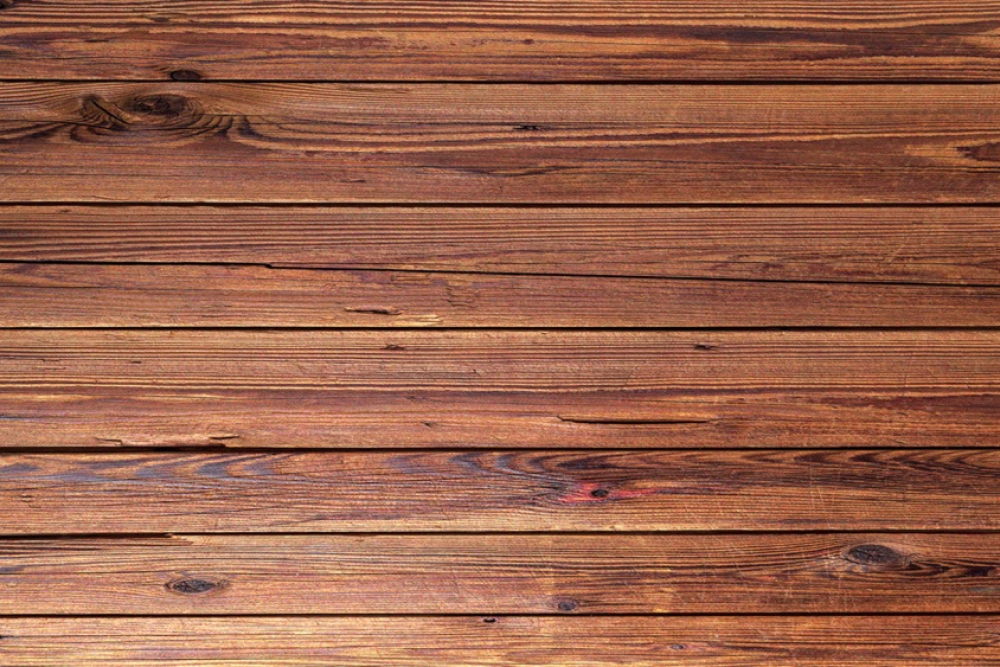
From the 1940s through the 1960s, knotty pine paneling walls installed vertically were popular. Most homes used the same amber color stain and varnished or shellacked the boards. Today, this style of paneled walls looks outdated, and most people who buy homes with them paint them white.
Modern knotty pine paneling is installed on walls and ceilings in a variety of designs and colors that makes rooms come alive. Let’s look at old-style knotty pine paneling first and then shift to modern paneling and its appeal.
Old-Style Knotty Pine Paneling
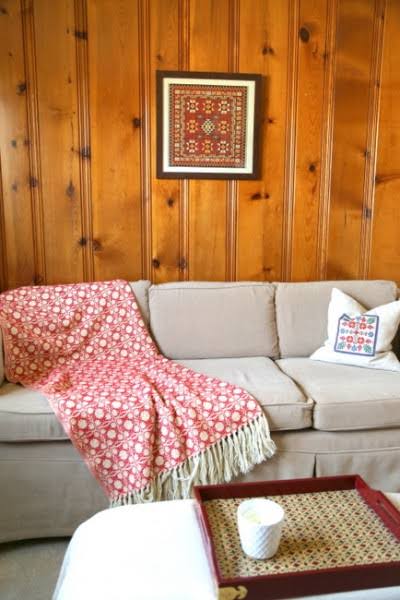 Old-style knotty pine paneling features thick, solid wood bead boards, a warm amber shellac glow, and distinct rustic knots. Massively popular from the 1940s through the 1960s, it created a cozy, lived-in atmosphere. The materials and construction typically included:
- Solid boards: Made from real, thick wood (typically 3/4-inch thick eastern white pine) rather than thin, flimsy 4x8 plywood sheets.
- Installation: Individual boards fit together with or without interlocking edges, ranging from 4 and 10 inches wide, mounted vertically.
- Natural character: Displayed with heavy grain patterns, random dark knots, and mineral streaks that celebrated natural imperfections.
- Amber glow: Coated originally in clear finishes or shellac that aged into a deep, warm orange-amber tone.
- Room choice: Used heavily in informal spaces like home dens, bedrooms, finished basements, attics, and rustic kitchens.
- Cabin feel: Brought an outdoor, lodge-like aesthetic indoors to post-war American suburban homes.
Modern Knotty Pine Paneling Construction
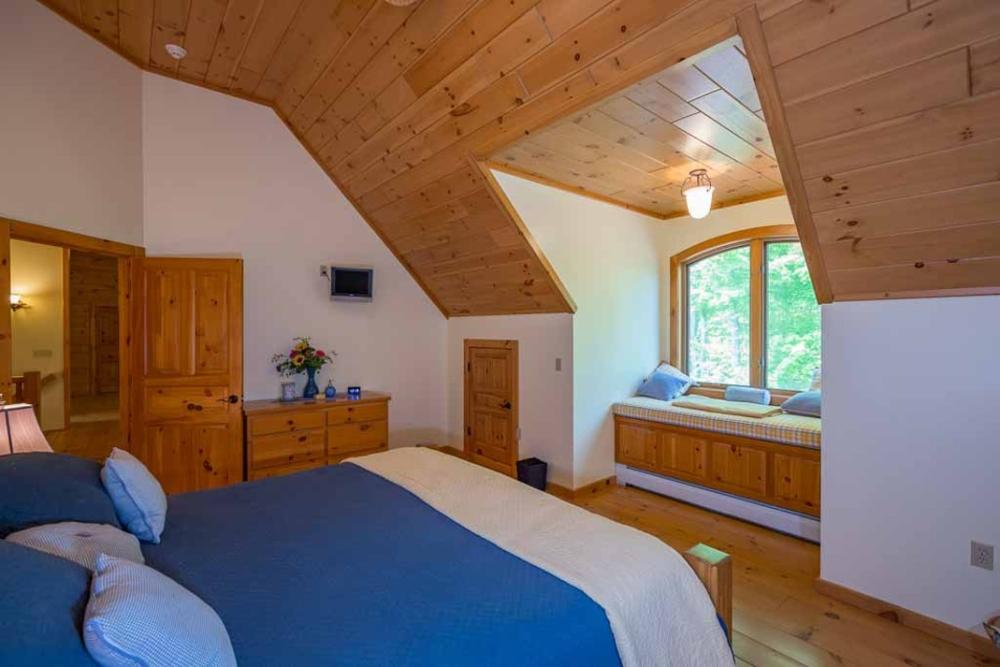
Anyone can achieve the best results by using high-quality tongue and groove, end-matched knotty pine paneling. The tongue and groove design on the sides and ends creates tight joints and flat walls and ceilings. Two pieces can be butt-joined on wall framing or anywhere between the framing. A professional appearance is obtained by purchasing kiln-dried boards with the correct moisture content for stability and perfect staining.
Modern popular sizes include paneling that is ¾” thick for strength and stability and 4”, 5”, 6”, and 8” widths. Lengths can vary to produce the desired pattern for full walls, accent walls, or wainscoting. This paneling is virtually a “no-waste” product because the sawn-off pieces can be used to start the next row. It is sustainable because it is an eco-friendly material that typically does not end up in landfills.
”Modern knotty pine paneling is installed on walls and ceilings in a variety of designs and colors that make rooms come alive.”
Paneling Layout Patterns: Walls And Ceilings
Pine paneling walls are generally arranged in basic patterns to fit the style of a home or cabin, size of rooms, and décor. The wall design may or may not match the flooring and ceiling layouts, based on your preferences. These are favorite layouts for walls:
- Horizontal Installation
- Vertical Layout Pattern
- 45-Degree Installation
- Accent Wall
- Wainscoting Wall
- Herringbone Design
- Combination Of Layouts
Ceiling layouts are typically simple, such as running the paneling the same direction as the longest wall in flat-ceiling rooms. Another option is running the pattern upward from the top of the walls to the peak of the ceiling in a cathedral ceiling. The pattern may or may not run the same direction as the flooring pattern, based on your plans.
Modern Colors For Walls And Ceilings
Modern paneling stain colors are no longer the amber, or orange shades our grandparents used in homes and cabins. A rainbow of options is available from light to dark shades. Six favorites today include white ash, classic gray, early American, bronze walnut, classic chestnut, and wheat.
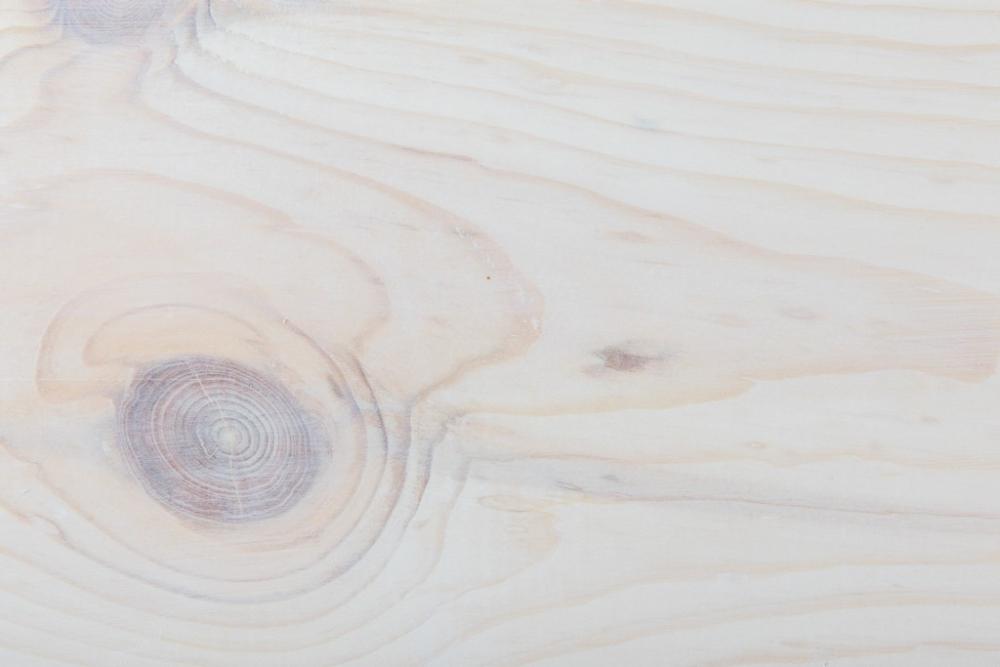
White Ash
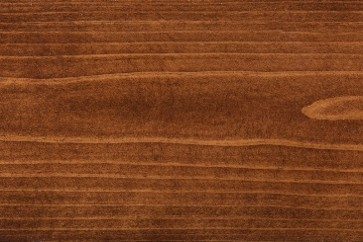
Classic Chestnut
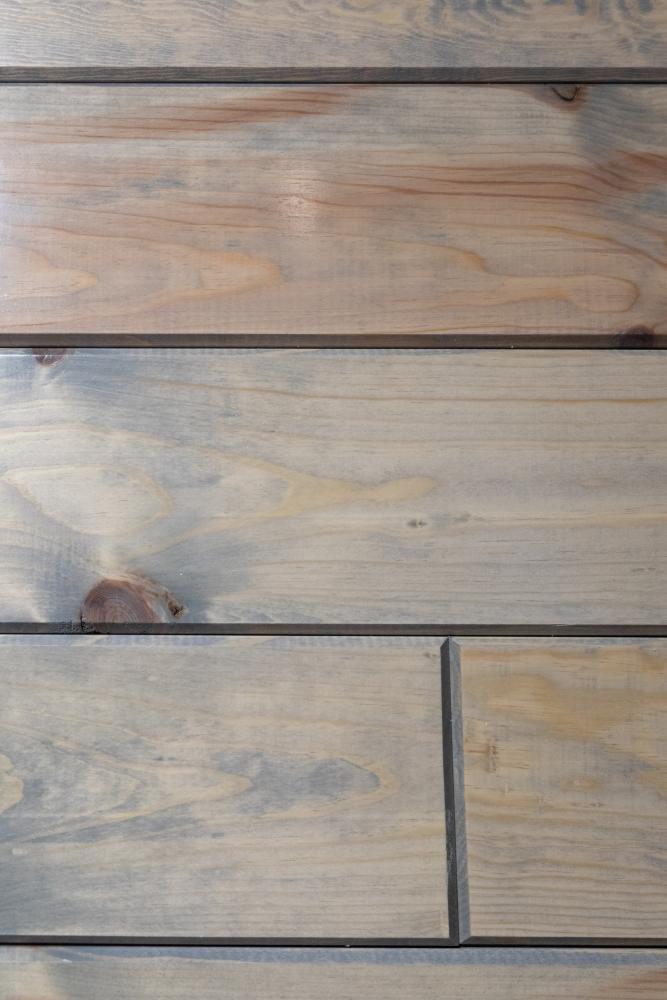
Classic Gray
Whitewashing (white ash) brightens dark or small spaces, making it perfect for ceilings and bathrooms. Classic Gray is a cooler-toned gray stain that is an excellent way to neutralize the inherent yellow tones in raw pine. If you still want warmth but desire a more refined look, Early American offers a rich, mid-brown finish.
For a sophisticated and moody aesthetic, dark Bronze Walnut dramatically modernizes knotty pine. Classic Chestnut is a beautiful, classic warm medium-brown, oil-based wiping stain featuring rich, warm undertones. Wheat is a lighter, golden-neutral choice that works wonders for keeping the wood looking raw, matte, and organic. Stains are available in low-odor water-based and oil-based versions.
Unfinished And Pre-Finished Knotty Pine Paneling
Another option that was not available to older generations is choosing between unfinished and pre-finished pine paneling. It’s a choice between staining the wood yourself, hiring a painter to stain it, or ordering paneling that’s completely finished and ready for installation. Using pre-finished paneling provides these advantages:
- No need to wait on the weather to cooperate or schedule a painter.
- No smelling the odors while the stain and clear coat finishes dry.
- The finishing is professionally applied in a controlled temperature and humidity atmosphere that provides perfect paneling.
- No finishing materials to buy and no mess to clean up.
- Nail it up and you are finished!
The Log Home Shoppe has the paneling, stains, and clear coat finishes for doing a professional job on your knotty pine paneling projects. Knotty pine flooring and log siding are also available from our inventory.


