 Store Location
 Track Order



Is Your Log Home Functional?
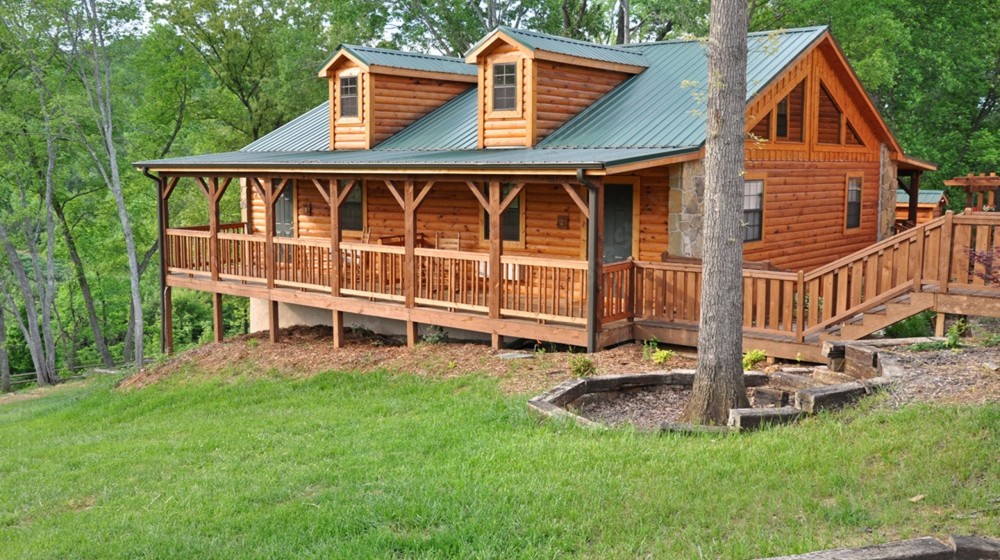
Building a functional log home requires a solid, elevated foundation, high-quality pine log siding or full logs, precise placement of support walls for structural integrity, and effective caulking and chinking (if needed) for insulation. Focus on a practical layout with open common areas, functional zones like mudrooms, and maximized natural light through strategic window placement.
A functional log home is a modern, durable residential structure that combines traditional log aesthetics with contemporary design for maximum efficiency, comfort, and low maintenance.
Basic Elements For A Functional Log Home
When planning a functional log home, you should include the basic concepts that make it a success now and in the future. Building contractors create log homes based on these ideas:
- Foundation & Ground Clearance: Use concrete slabs, crawl spaces, or basements. Ensure the first log course is at least 18 inches above ground to prevent moisture damage from rain splash-back.
- Log Selection & Preparation: Use straight, quality pine log siding or full logs with a diameter of at least 15 cm.
- Structural Integrity: Utilize traditional techniques like strong corner connections to ensure logs fit together tightly. Utilize adequate purlins for sturdy roof support.
- Insulation & Weatherproofing: Apply caulking in corners and in any gaps between logs to enhance thermal efficiency and prevent drafts. The solid wood construction provides high thermal mass, which stores and radiates heat, creating comfortable temperatures and superior energy efficiency. When using full logs, thoroughly chink between them to keep out moisture and cold air.
- Maintenance: For long-term maintenance, ensure the wood is properly stained and sealed to protect against moisture and insects.
- Moisture Management: Proper drying techniques and breathable materials prevent moisture accumulation and mold, ensuring a healthy indoor environment. Use wider roof overhangs to keep rain away from exterior walls.
Functional Log Home Layout Design
 Once you plan for the basic elements of your log home, you need to consider what makes a functional log home layout design. Popular and practical ideas include:
- Open Concept: Merge the kitchen, dining, and living areas to improve flow and maximize space.
- Prioritize Utilities: Add mudrooms, laundry rooms, and pantries near entrances for practicality.
- Small Space Efficiency: For smaller homes under 1,000 sq ft, eliminate formal areas and focus on flexible, multi-purpose spaces.
- Natural Light: Use large modern windows, skylights, and vaulted ceilings to bring in natural light, making the wood interior more inviting and preventing the home from feeling dark or enclosed. Skylights are an option to let light through roofs and ceilings.
- Stoves and Fireplaces: Wood-burning stoves and fireplaces are traditional and serve their purposes well, especially with a fan or blower to better distribute heat flow. You should also consider supplemental heating and cooling systems for backups.
- Modern Comforts Integration: Modern HVAC systems, electrical, and plumbing systems, functional layouts, and smart storage solutions (like under-stair storage) are integrated into the design to ensure comfort and convenience. Read more about what people like about log homes.
“Building a functional log home requires a solid, elevated foundation, high-quality pine log siding or full logs, precise placement of support walls for structural integrity, and effective caulking and chinking for insulation.”
Pine Log Siding Versus Pine Full Logs
Homes and cabins built with pine log siding create functional log houses that can be erected faster and easier than full logs. You get the full log look without the full log price and long-term settling issues. You can get a fully functional log home and these advantages with log siding:
Ease of Construction: Pine log siding is attached to conventional wall framing on the exterior and interior of a home. Lifting and stacking heavy logs is eliminated.
Faster Construction: General building contractors can build a log siding home, eliminating harder-to-find specialized full log builders. It’s also faster to schedule general contractors.
Sustainable Materials: Pine log siding is a sustainable product because much of it is made from trees grown on tree farms. You have the choice of quarter log, half log, and premier D-log in smooth and hand-hewn surfaces.
No Crane Cost: Save money by eliminating high-cost cranes and crane operators.
DIY Installation: Homeowners with woodworking knowledge and skills can install log siding.
Easier To Add On: It is simpler to add on an extra room or two with log siding.
Transportation Cost: Log siding and related materials cost less to ship than full logs.
Easier Staining: You save time and effort staining siding because there is less surface area than with full logs.
No Chinking: Chinking between the logs is not necessary, only if you want it for aesthetic reasons. Only caulking is needed in corner joints and other small gaps.
Corner Systems, Log Trims, And Pine Floors
Pine log siding homes need easy-to-install log corners and log trims. They make the job complete, and like siding, are available in unfinished or pre-finished conditions. Another cost-effective and functional product you should consider is knotty pine flooring that complements log walls very well.
A functional log home is one that is designed well for your preferences and climate. It is professionally constructed, easy to move around in, and accessible to all amenities for those who live there and guests. We wish you success in building your dream log home.
Resources and References:


