 Store Location
 Track Order



The Cultural Significance Of Log Cabins
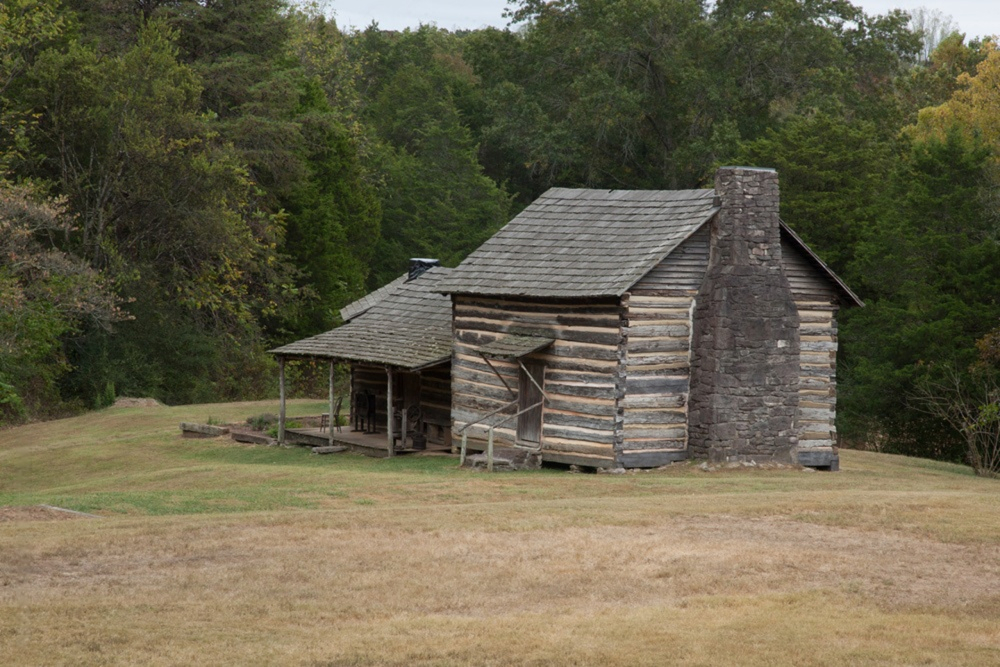
The cultural significance of the log cabin represents a dramatic historical transformation, evolving from a derided symbol of immigrant poverty into the ultimate architectural icon of freedom, democracy, and rugged individualism. While globally tied to Northern European survival strategies, it holds a mythic, quasi-religious status in the American consciousness.
Log Cabins: From European Necessity To Frontier Homes
The log cabin was not invented in North America. Its essential structural concept came from Scandinavia in the 1600s and was adopted by thousands in the American colonies.
- Scandinavian Roots: Finnish and Swedish settlers brought horizontal notched-log construction to the Delaware Valley in the 1630s.
- Resource Efficiency: The technique required no nails or complex hardware, needing only abundant timber and a basic axe. Available timber made them more affordable for lower-income people.
- Cross-Cultural Adoption: Scots Irish, English, German, Welsh, Dutch, French, and even Southeast Native American groups adapted the design to quickly build structures across the expanding frontier.
- Cabin Shapes & Wood Used: The classic cabin was a small, rectangular shape with or without a loft for sleeping. They were typically heated by a single wood-burning fireplace, while larger homes had two fireplaces. The wood used for construction was either oak, popular, chestnut, cypress, pine, hemlock, or other plentiful local tree species.
The Elite Disdain Of Log Cabins
Early colonial elites viewed traditional brick or timber-framed houses as proper civilized dwellings. Before it was romanticized, early American elites thought of the log cabin with class-based contempt. Benjamin Franklin describes cabins in 1780 as "miserable" hovels of the ignorant, dirty, and poor. Dr. Benjamin Rush characterized cabin dwellers as isolated, unrefined, and prone to vice.
Many leaders believed that isolated frontier life stripped people of social order, leading to ignorance, laziness, bad habits, and destitution. They thought that living in log cabins with dirt floors, a lack of ventilation, and cramped spaces violated elite standards of cleanliness, education, social grace, and refinement.
The elite also viewed them initially as temporary shelters to be abandoned once "real" timber- frame houses could be built. This perception changed to permanent residences as people moved further west and south into the deeper wilderness.
“While globally tied to Northern European survival strategies, it (cabin) holds a mythic, quasi-religious status in the American consciousness.”
Weaponization in Presidential Politics
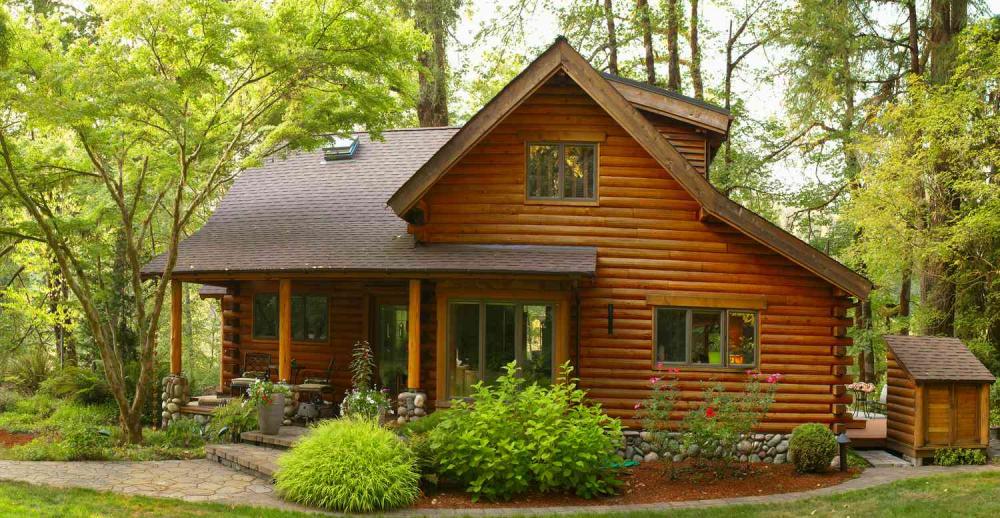
Today's Pine Log Siding Cabin
The 1840 U.S. presidential election completely flipped the public perception of log cabins, cementing them as a populist badge of honor for this and other reasons:
- The Whig Pivot: When political opponents mocked candidate William Henry Harrison by claiming he belonged in a backwoods log cabin, Harrison adopted the image.
- The "Common Man" Ideal: Harrison's "Log Cabin Campaign" proved that living in a rustic home equated to authenticity, honesty, and alignment with the common citizen.
- The Lincoln Mythos: Abraham Lincoln later perfected this imagery during the 1860 election. His hand-hewn 1809 Kentucky birthplace became a permanent visual shorthand for the American Dream—proving a citizen could rise from the humblest beginnings to the highest office.
- Today’s Log Home: More than 30,000 log homes and log cabins are built each year in America, and the numbers keep growing. In addition to natural stands of pine trees, this eco-friendly species is regularly planted on tree farms to keep wood plentiful for the future.
Romanticism and Modern Nostalgia
By the late 19th century, as the physical frontier closed, the log cabin morphed into a symbol of nostalgic escapism. Landscape painters and writers, such as James Fenimore Cooper, portrayed the cabin as a cozy, virtuous refuge embedded harmoniously within nature. In the 20th century, books, folklore, movies, and television shows portrayed them as common dwellings in colonial and western frontiers.
Log cabins and homes gradually became more commercialized as a symbol seeped into consumer culture via Lincoln Logs toys and Log Cabin Maple Syrup tins, branding self-sufficiency into everyday domestic life. Today, the cabin represents a therapeutic antithesis modern retreat to stressful urbanity. They tend to provide a structural security blanket emphasizing tranquility, environmental sustainability, and a deliberate return to basics.
Today’s Best Log Cabin Values
You can have a beautiful and functional log cabin or log home built fast and economically with pine log siding. There’s no need to fell and shape logs into walls and roof structures. Simply hire a contractor and install pine log siding on the exterior and interior walls to provide the full log look without the full log price and maintenance issues. Live the log home life in a relaxing and cozy atmosphere virtually anywhere you buy a lot.
Order log siding, corners, trims, fasteners, stain, pine floors, and pine paneling online from The Log Home Shoppe. Our quality is the highest you can find, and our prices and service can’t be beat. Our customers give us consistently high reviews and praise the quality of our products.


