 Store Location
 Track Order



Log Home Roof Styles That Shed Snow
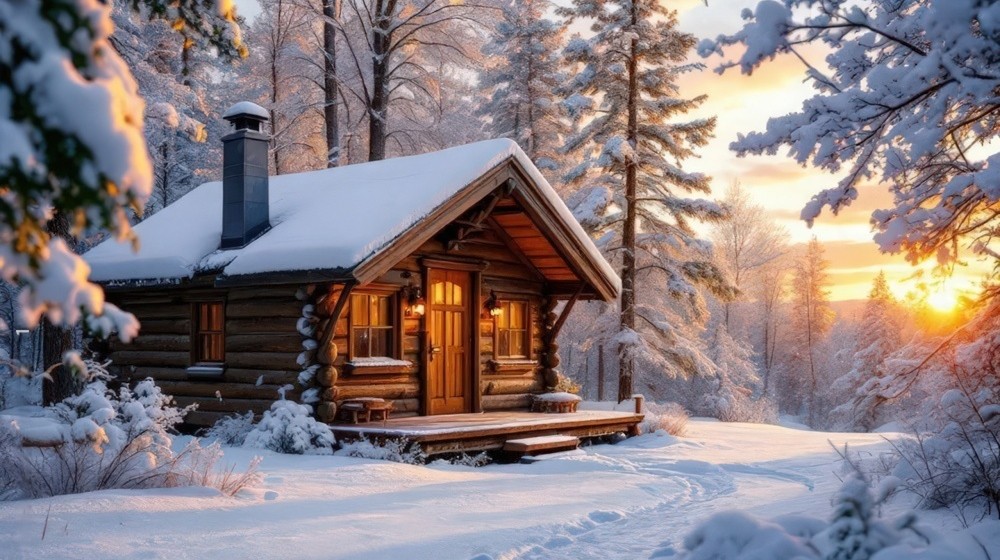
Roof styles that shed snow effectively are a must for homes in colder climates. For maximum snow shedding on log homes, steep-pitched (minimum 6/12 or 40-45 degree) Gable, Shed, Gambrel, and Hip roof styles are ideal, especially when paired with slippery metal roofing. Simple designs without complex peaks allow snow to shed rapidly that prevent structural overload. Let’s look at each of them in more detail.
Why Roof Styles Make A Difference In Cold Weather
Roof styles are crucial in cold weather because they manage snow accumulation, prevent ice dams, and control heat loss. Steeply pitched roofs (40°+) shed snow to prevent structural overload with proper roof ventilation. "Cold roofs" prevent snow from melting and re-freezing at the eaves, which causes damaging ice dams. Here is why roof styles make a difference in cold weather:
- Snow Load Management: Steeper roofs allow snow to slide off, reducing the risk of structural collapse from heavy, accumulated snow. A roof pitch of 8/12 to12/12 or 40 degrees to 45 degrees is ideal for severe snow conditions.
- Ice Dam Prevention: Roofs with proper ventilation or a "cold roof" design keep the roof deck near the outdoor temperature, preventing the snow on top from melting. If the roof is too warm, snow melts, runs down to the colder eaves, and freezes, creating ice dams that force water into the building.
- Water Drainage: Flat roofs (often used in modern designs) or low-pitch roofs are at higher risk of water pooling from melted snow, requiring excellent waterproofing to avoid leaks.
- Thermal Efficiency: Complex roofs with many joints or valleys (e.g., hip roof) can create spots for snow and ice buildup, whereas simple gables are typically better at shedding.
- Material Safety: Cold temperatures can make asphalt shingles brittle; certain roof shapes allow easier snow removal and management.
Top Log Home Roof Styles That Shed Snow
Four basic roof styles are available for your log home or cabin that shed snow effectively. Building contractors are familiar with them, and can easily construct them to your plans and specifications.
- Steep Gable Roofs: The classic triangular design with a steep pitch is highly efficient, allowing snow to slide off the angled sides easily, especially with A-Frame houses.
- Shed Roof (Skillion): A single-plane sloped roof that is steep enough acts as a giant slide, making it excellent for dumping heavy snow loads.
- Gambrel Roof: Often used in cabins, this style has a steep lower slope that sheds snow exceptionally well while maximizing interior headroom.
- Hip Roof: A four-sided slope that offers stability against wind and effectively sheds heavy snow on all sides.
Essential Roofing Materials, Features, And Design
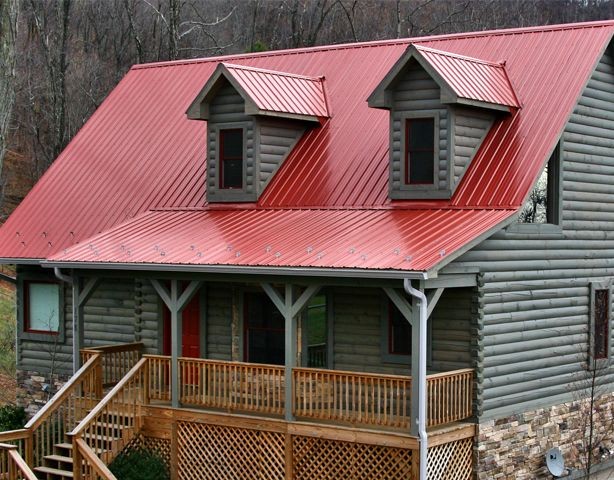 Three factors come into play when selecting roofing materials and features, including material, snow guards, and colors. Standing-seam metal roofs are the most effective material for shedding snow, as they allow it to slide off easily as it melts.
Snow guards are essential for metal roofs to prevent "mini-avalanches" by keeping snow in place until it melts, rather than allowing large sheets to fall at once. Dark-colored roofs absorb more sunlight, assisting with the melting process.
Design best practices include roof pitch, minimal peaks, and protected entrances. Reducing the number of roof valleys and peaks prevents snow from accumulating in corners. Protect entrances by placing smaller-pitched peaks over doors and walkways to protect against falling snow and ice.
“Roof styles that shed snow effectively are a must for homes in colder climates.”
Working With Asphalt Shingles In Cold, Snowy Weather
If you select asphalt shingles for your log home in a colder climate, there are some things you need to know. Asphalt shingles in cold, snowy weather (below 32∘F) become brittle, leading to cracks, breakage, and poor sealant adhesion, which increases risks of wind damage, leaks, and ice dams. Freezing temperatures inhibit the adhesive strips from activating, while heavy snow pressure and freezing-thawing cycles can tear or lift shingles.
Key Problems with Asphalt Shingles in Cold/Snowy Conditions:
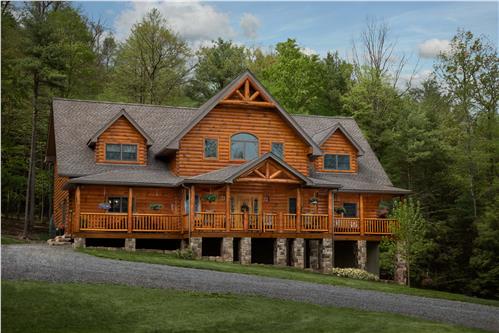 Brittleness and Cracking: Cold temperatures make asphalt inflexible. As shingles are installed or subjected to heavy snow loads, they are prone to cracking and fracturing.
- Poor Sealant Adhesion: Asphalt shingles rely on heat to activate their self-sealing adhesive strips. Below 40 degrees F, these strips do not melt and seal properly, making the roof vulnerable to high winds, known as "wind uplift". Only install asphalt shingles during the warmer months to ensure correct sealing.
- Ice Dams and Water Infiltration: Poor ventilation allows heat to escape the attic, melting snow on the roof. This water flows to the cold eaves and freezes, creating ice dams that force water back up and under the shingles, causing leaks.
- Damages from Ice/Snow Removal: Using snow rakes or shovels in cold weather can easily tear, gouge, or remove granules from the brittle shingles.
- Improper Installation Defects: In cold weather, pneumatic nail guns can overdrive nails and blow through the brittle shingles, causing significant structural damage to the shingle membrane.
Tips for Mitigation in Cold Climates:
- Hand-Seal Shingles: Use roofing cement to manually seal shingles when temperatures are too low for thermal sealing.
- Storage: Store shingles in a warm place before installation to maintain pliability.
- Avoid Walking on Roof: Limit foot traffic to prevent cracking the brittle shingles.
- Improve Attic Insulation: Prevent ice dams by keeping the attic cool, preventing the snow on the roof from melting prematurely.
Roofing Material Costs
Roofing material costs vary significantly by material, with asphalt shingles being the most budget-friendly ($3.50–$8.50/sq ft installed) and materials like slate ($23–$31+/sq ft) or copper ($20–$40/sq ft) being the most expensive. Metal ($6–$24+/sq ft) and tile ($10–$25/sq ft) offer high durability and long lifespans, often lasting 50–100+ years, justifying higher upfront costs compared to 15-30 year asphalt roofs.
Selecting the right roof style and material is essential for colder climates to protect your roof, log home, its contents, and those who live there. Save thousands on building your log home with pine log siding, corner system, and trims with The Log Home Shoppe. Use some of the savings to build the best roof possible.


