 Store Location
 Track Order



Do Log Cabins Need Central Heat And Air?
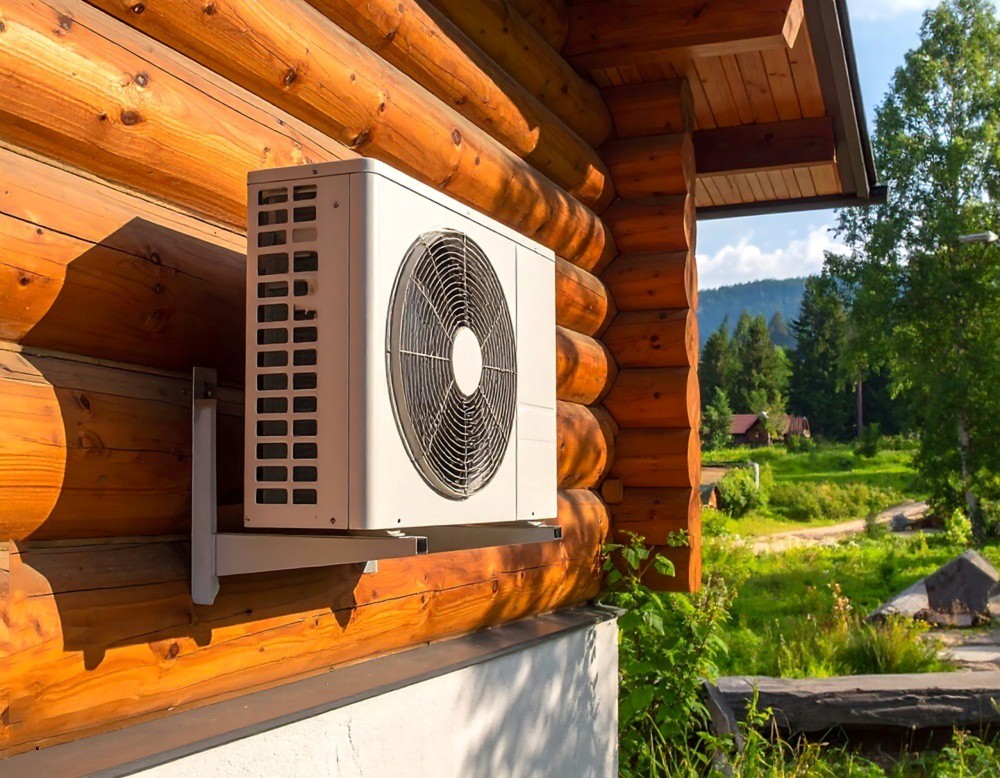
Log cabins, whether made with pine log siding or full logs, do not inherently require central heat and air, as their thick, insulating wood walls provide natural thermal regulation. Part-time occupancy, such as vacations or weekend outings, may not require central heat and air. The exception may be extra hot and humid climates.
However, for year-round living, comfort, energy efficiency, and humidity control, most modern log homes use heating (furnaces, wood stoves, radiant floor) and cooling (central AC, mini-splits, window units, fans) systems. The exception is full-time or part-time living in cabins in colder climates, which may only need summer fans.
Differences Between Log Cabins And Log Homes
Log cabins and log homes differ primarily in size, purpose, and construction, with log homes designed as larger, modern, full-time residences. Log cabins are typically smaller, rustic, and used for vacations and short getaways. Log homes feature modern amenities and complex designs, whereas log cabins often feature simple, rustic, single-level, or lofted layouts. Here are some key differences between the two:
- Size & Use: Log homes are generally larger (often 2,000+ sq ft) and designed for year-round, permanent living. Log cabins are typically smaller (800 – 1,500 sq ft), often used as vacation homes, guest houses, or rustic retreats.
- Structure & Design: Log homes may use modern, machine-milled logs and, in some cases, timber-frame construction. Cabins often use traditional, full-scribe, handcrafted horizontal logs, or both can be built with pine log siding.
- Amenities & Modernity: Log homes offer modern comforts, including large kitchens, multiple bathrooms, and advanced insulation, sometimes even integrating conventional building materials. Traditional cabins are simpler, sometimes lacking modern conveniences.
- Foundation & Location: Log cabins often have simpler foundations and are located in remote or wooded areas. Log homes are found in both rural and suburban residential areas.
- Maintenance: Log cabins often require less maintenance, while larger log homes may require more care due to their size, location, and complexity.
In short, a log home is a modern, primary residence, while a log cabin is typically a smaller, part-time, more rustic getaway. There are exceptions where some people are happy living year-round in a small cabin.
Key Considerations For A Log Cabin Central HVAC System
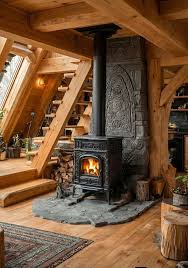 For those of you who do install a central HVAC system instead of a wood-burning stove, consider the following ideas. Log siding and full logs provide some natural insulation because they possess high thermal mass, which acts like a battery, storing heat during the day and releasing it at night, aiding both heating and cooling. Despite the wood's properties, log homes in hot/humid regions often require air conditioning to remain comfortable. Your climate makes a huge difference in your health and utility bill costs.
Heating solution options for winter range from high-efficiency furnaces to wood-burning stoves and fireplaces with blowers. Ductless, split-system heat pumps are highly recommended for log homes because they offer efficient, zone-specific heating and cooling without requiring extensive ductwork.
Because log homes are often very tight, air-to-air exchangers are recommended to maintain air quality, while humidifiers are needed to prevent dry air from damaging the wood. Trees, hills, and other structures may provide shade during the day, reducing the need to run the AC as much. For modern comfort and to maintain building materials, a customized HVAC system is generally recommended, unless you live in a cold climate.
“Part-time occupancy, such as vacations or weekend outings, may not require central heat and air.”
Types Of Heating And Cooling Systems
Residential heating and cooling systems (HVAC) include conventional forced heat and air, split systems, packaged units, ductless mini-splits, and geothermal systems, utilizing furnaces, heat pumps, or boilers for temperature control. They primarily use forced-air or radiant methods, powered by electricity, gas, or oil, to manage indoor climates based on home size and climate. Other types of equipment include wood-burning stoves and fireplaces, ceiling and floor fans, portable and window ACs. Don’t forget open-window airflow and direct sunlight.
Core Types of HVAC Systems
- Conventional Systems: The most common type, featuring an indoor unit (furnace/air handler) and an outdoor unit (AC/heat pump) connected by refrigerant lines.
- Hybrid Split Systems: Combines an electric heat pump with a gas furnace, switching between them for maximum energy efficiency based on outside temperature.
- Ductless Mini-Splits: Ideal for homes without existing ductwork, these units connect an outdoor compressor to individual, wall-mounted indoor units for zone-specific control.
- Packaged Units: All-in-one units (heating and cooling) usually installed on roofs or concrete slabs, popular for small homes. Motels typically have a form of package units under the main window in a room.
- Geothermal Systems: Use the stable, consistent temperature of the ground for highly efficient heating and cooling.
Heating-Specific And Cooling-Specific Systems
You may be interested in additional information about heating-specific and cooling-specific systems for log cabins and homes that include:
Heating-Specific Systems
- Furnaces: Use gas, oil, or electricity to heat air, which is then distributed via ductwork.
- Boilers: Heat water and circulate it through pipes to radiators or radiant floor systems.
- Heat Pumps: Extract heat from the air (air-source) or ground (geothermal) to heat in winter and reverse the process to cool in summer.
Cooling-Specific Systems
- Central Air Conditioners: Part of a split system, this use refrigerant to remove heat from the home and release it outside.
- Air-Source Heat Pumps: Provide both heating and cooling in one unit.
Other system components include ductwork, air handlers, and thermostats. Ductwork is metal or flexible tubes that distribute conditioned air throughout the home. Air handlers are indoor units that circulate air throughout the home. Thermostats control the operation of heating and cooling equipment with temperature settings.
We hope this article has provided some useful ideas about heating and cooling your log cabin or home. If your plans include building a home with log siding, let us hear from you. We have the highest-quality pine log siding, corner systems, log trims, pine flooring, and knotty pine paneling.


