 Store Location
 Track Order



Should I Stain Or Clear Coat My Knotty Pine Paneling?
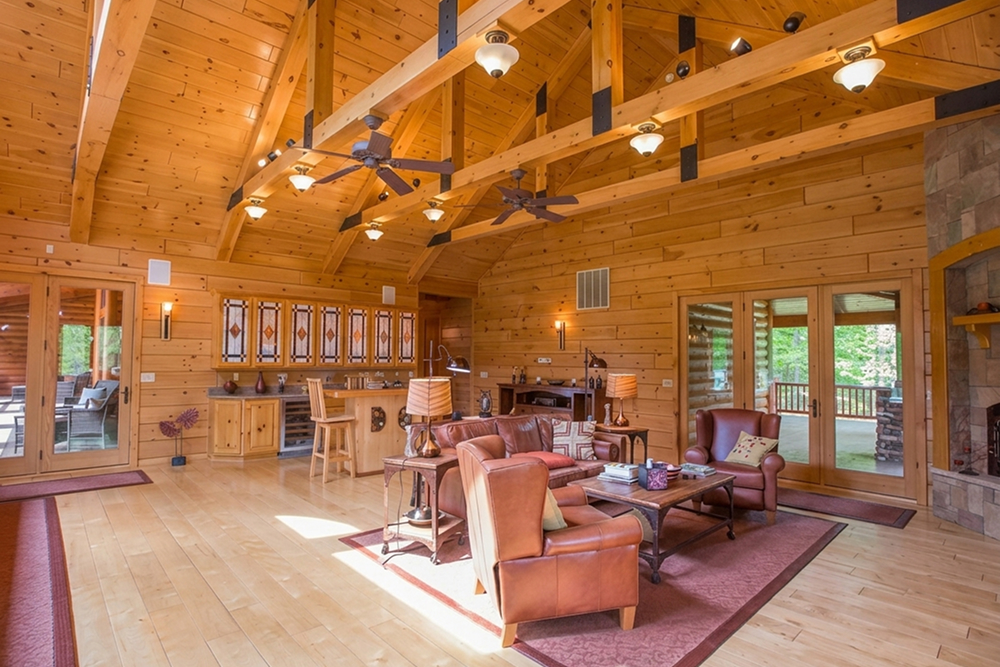
If you are building a new home or cabin or installing knotty pine paneling for the first time, you have a decision to make. You should clear coat knotty pine if you love its natural, golden look, but use a stain if you want to change its color. Knotty pine paneling has looked terrific on walls and ceilings for generations. The following suggestions will help you decide.
Clear Coating Knotty Pine Paneling
A clear-coat wood finish is a transparent protective liquid layer applied over wood to seal, enhance, and protect its natural grain and color without adding color. Once the finish is completely dry, it can be lightly sanded, and another coat can be added if necessary or desired. It is available in water-based and oil-based varieties.
- Pros: Highlights the natural color, grain, and dark knots, keeps the room bright, and is easier/faster to apply than staining.
- Cons: Pine naturally ambers or turns a slight yellowish-orange hue as it ages when exposed to UV light and oxygen.
- Best for: Preserving a rustic, cabin-like aesthetic. Use a non-yellowing water-based topcoat (like a clear poly) if you want to keep the current light color.
- Professional tip: A water-based polyurethane gives a relatively light/clear finish. An oil-based polyurethane adds a warmer, amber tone.
Staining Knotty Pine Paneling
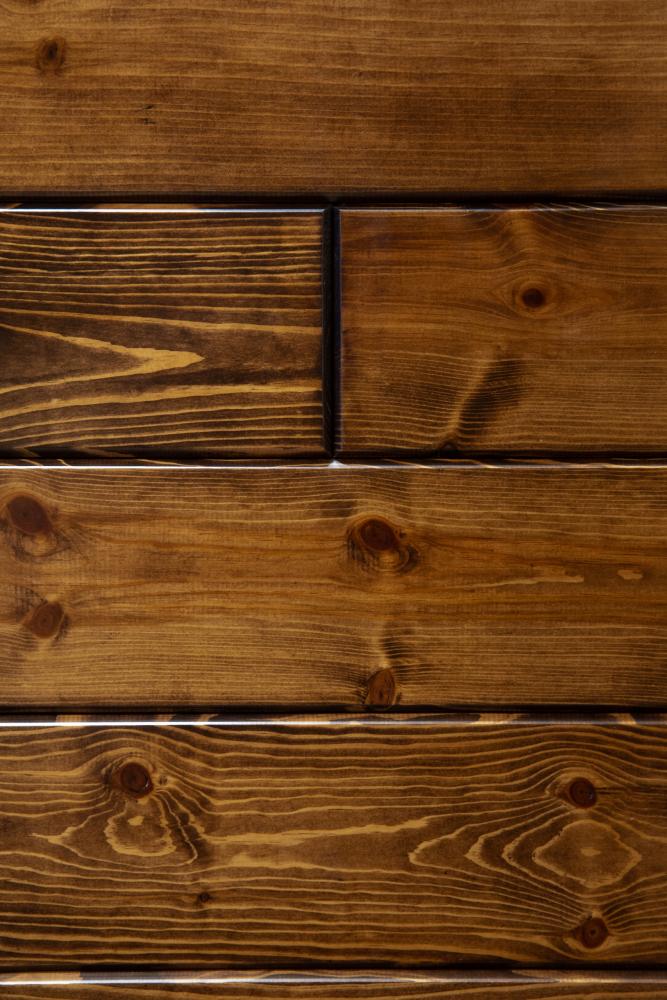 Wood stain is a liquid or gel product that changes the color of wood while letting the natural grain, knots, and texture show through from a little to a lot. It contains microscopic dyes or tiny suspended colorant pigments. The liquid carries the color deep into the open pores and fibers of the wood. Unlike paint, which coats the top of the wood in an opaque layer, stain is semi-transparent.
- Pros: Alters the undertone, hides the tendency of pine to turn a light orange later, and lets you customize the shade (from whitewash to dark walnut).
- Cons: Pine has soft and dense spots that absorb stain unevenly, which causes a blotchy look called "grain reversal".
- Best for: Matching specific room decor or modernizing the space.
- Professional tip: You should apply a pre-stain wood conditioner first, so the soft grain absorbs the color evenly, or use a gel stain that sits on top of the wood rather than soaking in.
- Best of both: If you want a richer color without losing the pine character, use a light-color stain or tinted finish followed by a clear protective coat.
“You should clear coat knotty pine if you love its natural, golden look, but use a stain if you want to change its color.”
You Can Also Stain Knotty Cedar Wood Paneling
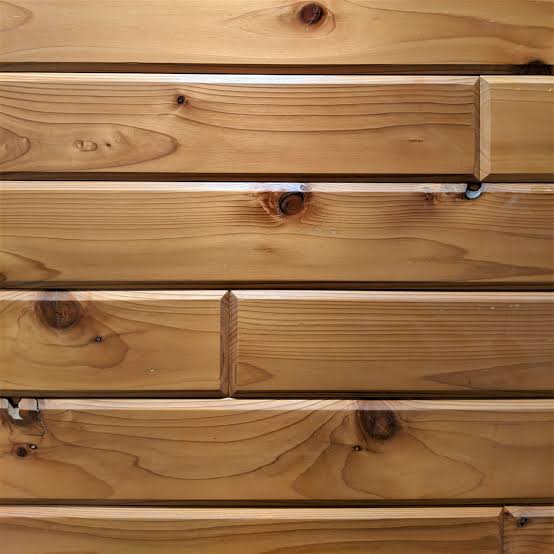 Suppliers that offer knotty pine paneling may also have knotty cedar paneling. This gorgeous option to pine differs primarily in its durability, cost, appearance, and best uses. Northern white cedar offers natural rot resistance, and pine provides a budget-friendly interior option. It features a rich array of natural color variations with a smoother grain and typically fewer or less prominent knots than pine. It has a distinct, pleasant aroma when first installed.
Knotty cedar is a bit harder and more brittle than pine (Janka rating around 900). It contains natural oils that make it highly resistant to rot, decay, moisture, and insects without chemical treatment. Knotty cedar is more expensive as an initial investment. It is preferred for outdoor applications like log siding, decking, and fencing as well as specialized indoor spaces like walls, ceilings, closets, or saunas due to its moisture resistance and scent. Keep in mind that cedar paneling is in short supply some years.
Popular Clear Coat And Stain Products
For the best short-term and long-term results, apply high-quality clear coat or stain products for your knotty pine and knotty cedar paneling and log siding. Choose from low-VOC (volatile organic compounds) water-based formulas and oils for your projects. These are popular colors:
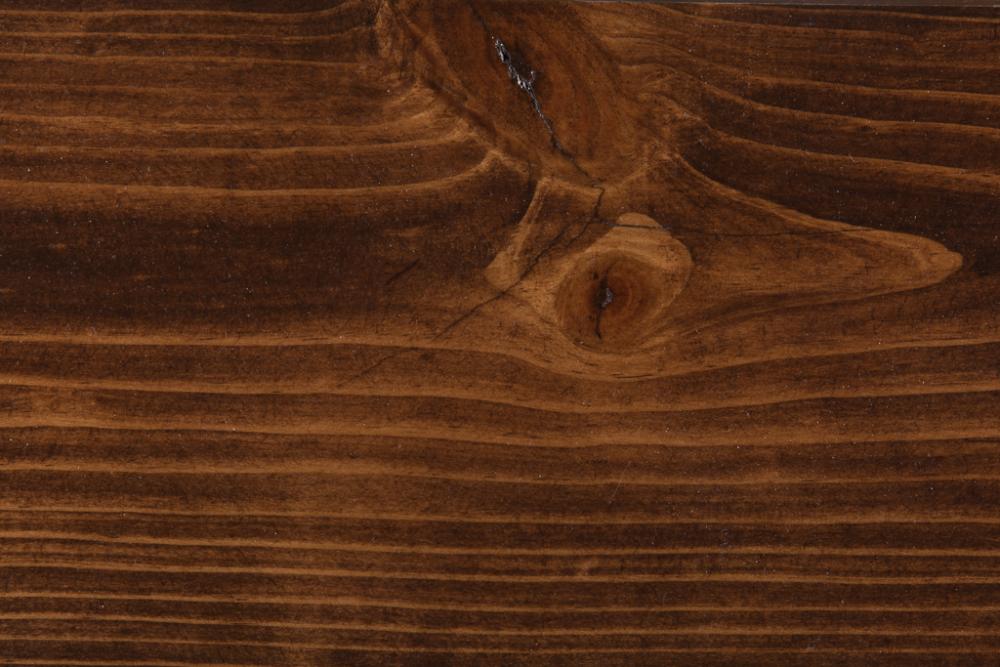
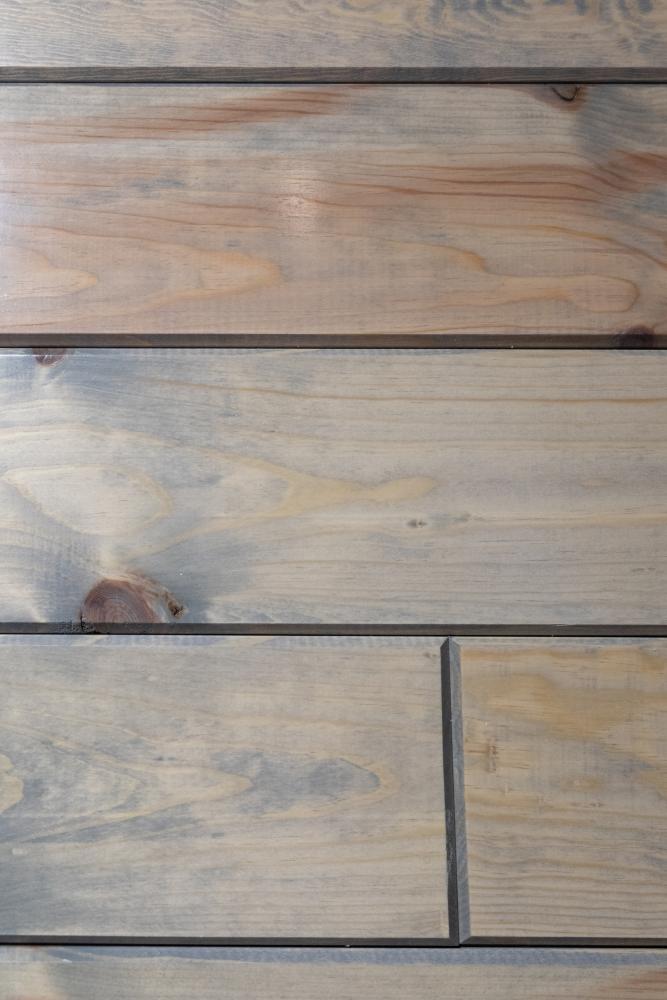
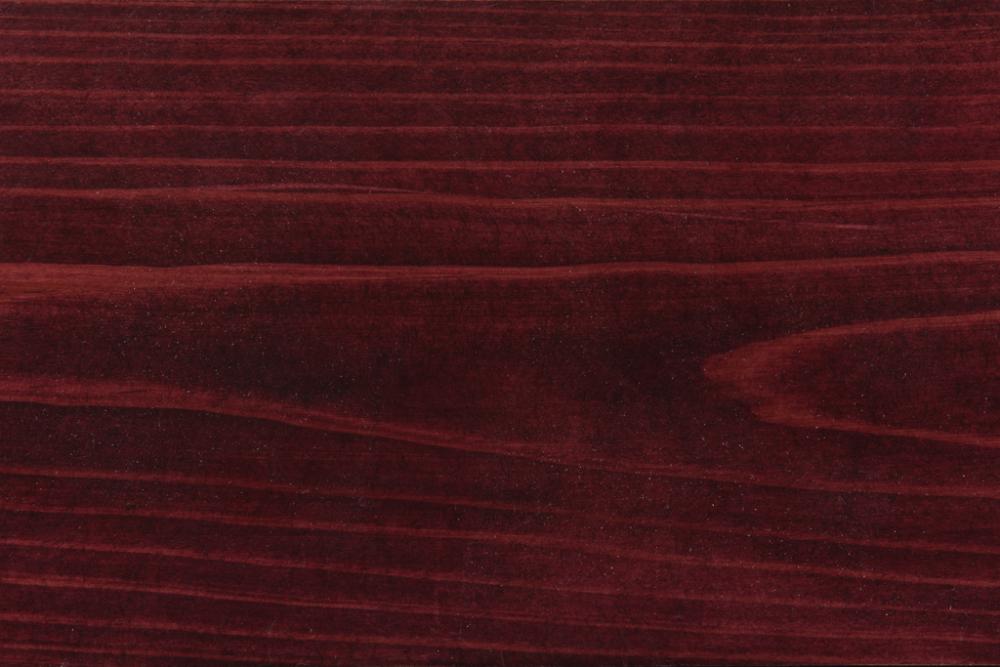
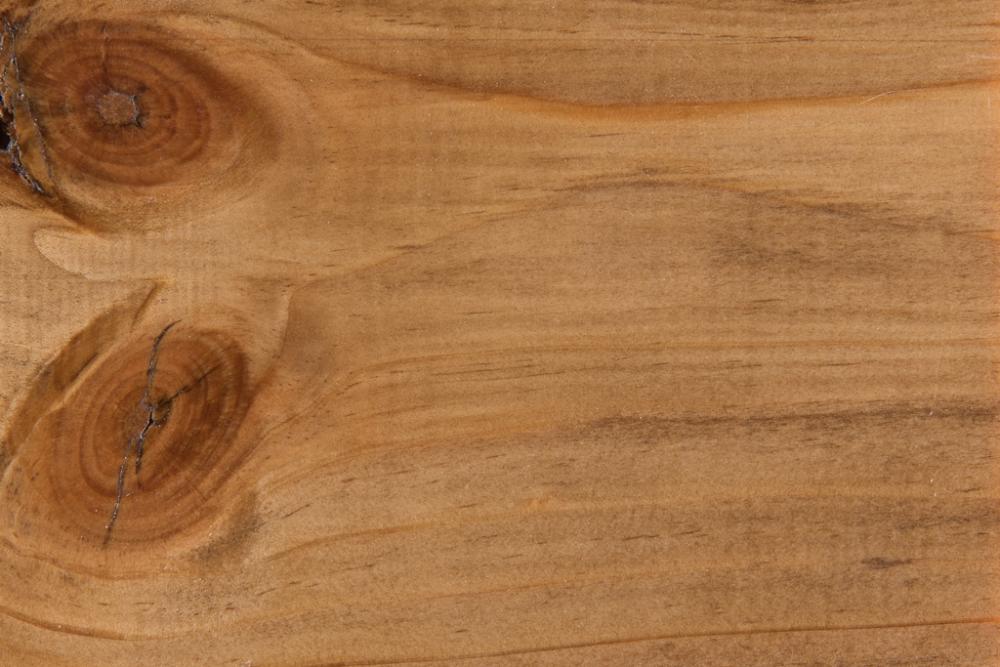
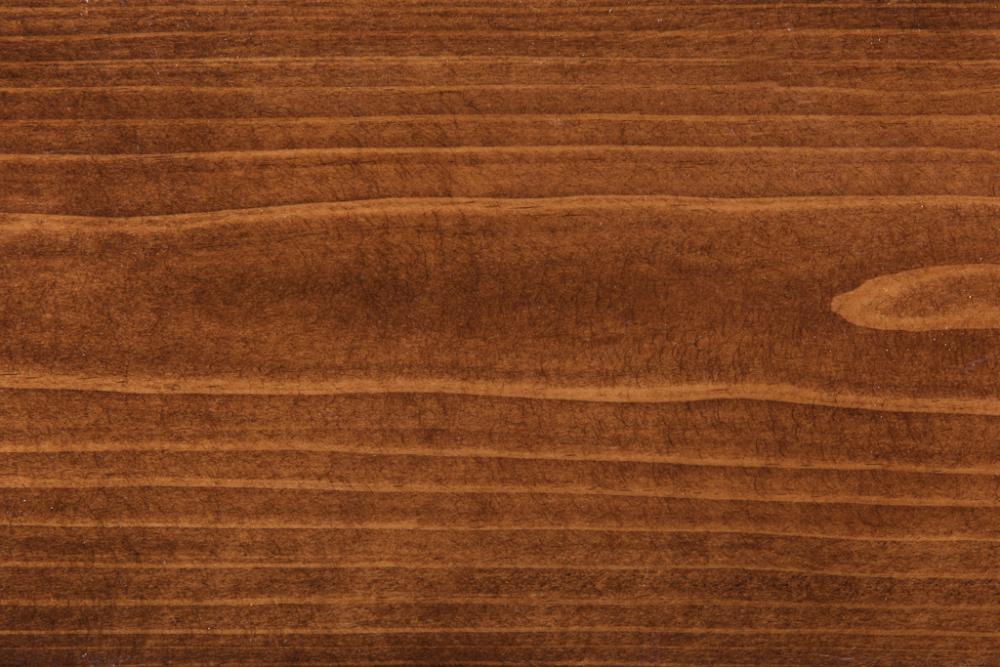
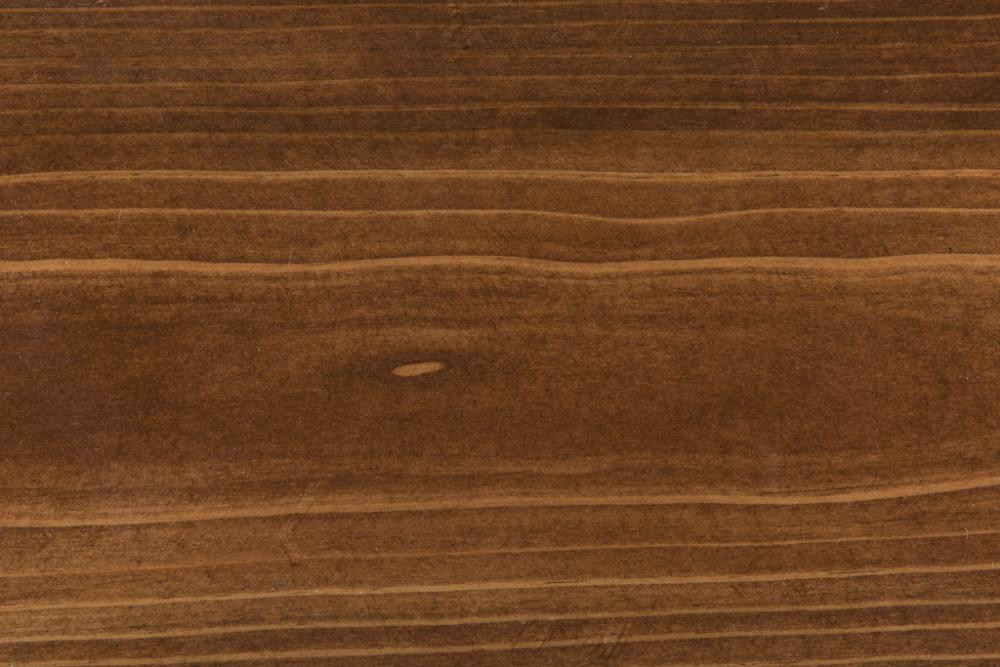
The colors above may vary a little depending on your screen’s color calibration and each board’s character and variation of grain and knots. Our finishing shop craftworkers may be able to custom match a color of your existing wood – call our sales staff with your questions!
If you do not want to apply finishes to your knotty pine paneling or hire a painter for the work, order pre-finished paneling. All the colors above are available from our inventory for your convenience to order. The advantages of purchasing pre-finished paneling include:
- No waiting on the weather or scheduling a painter.
- No smelling the finish while it dries to bother you.
- Installation is faster – nail it up and you’re finished.
- No sags, runs, or thick places to redo.
- No buying brushes, cleaners, and finishing products.
- No mess to clean up.
Summary
We hope these ideas will help you decide whether to apply a clear coat only, stain only, or stain with a clear coat finish. Choose the combination to beautify and protect all your wood.


