 Store Location
 Track Order



How Pine Log Siding Helps Soundproof And Insulate Your Home
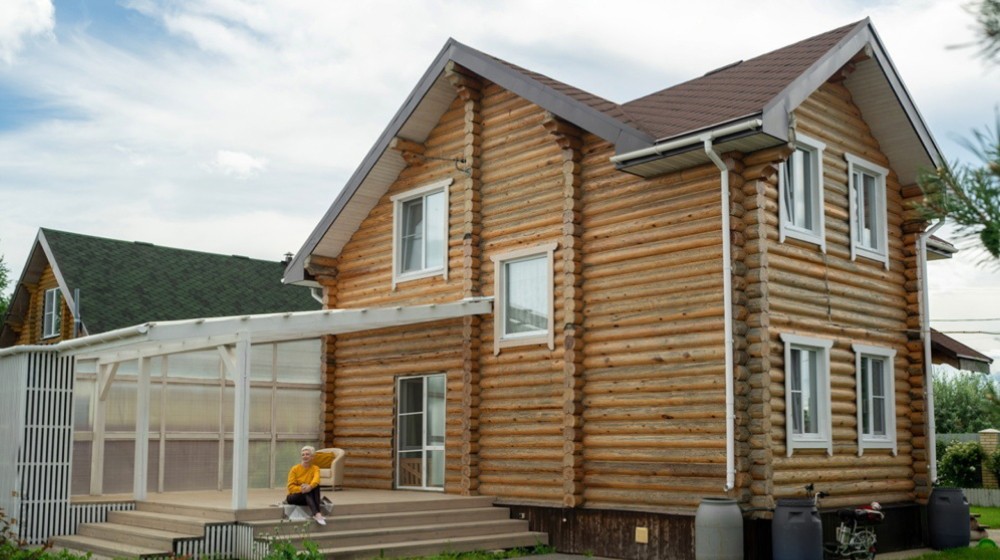
Pine log siding with insulation in walls helps soundproof homes by providing thick, dense, and natural wood barriers that absorb and dampen external noise from traffic, wind, neighbors, and much more. Its cellular structure, combined with superior thickness, reduces noise transmission better than thin materials like vinyl or aluminum, acting as natural acoustic insulation. Use thicker wall framing with insulation and thicker pine log siding for more home soundproofing.
Difference Between Soundproofing And Sound Deadening
Soundproofing stops sound from entering or leaving a space by blocking it with dense materials, while sound-deadening (or damping) reduces vibrations, echoes, and reverberation within a room using soft, porous materials. Soundproofing is about isolation, whereas sound-deadening improves internal sound quality. Examine these key differences:
- Soundproofing (Blocking/Isolation):
- Goal: Keep outside noises out and inside noises in.
- Method: Increases mass, creates airtight seals, or decouples structures (e.g., installing pine log siding).
- Materials: Mass Loaded pine logs siding with insulation between walls, and acoustic sealant.
- Example: Making a room silent from traffic noise.
- Sound-Deadening/Dampening (Absorption):
- Goal: Reduces echoes, reverbs, and vibrations on surfaces.
- Method: Converts sound energy into heat using soft or lightweight materials.
- Materials: Acoustic foam panels, fiberglass insulation, fabric-wrapped panels, acoustic blankets.
- Example: Reducing the echo in an empty room.
Which one should I use in a log home? Use soundproofing techniques during construction or remodeling when you need to completely isolate a room (e.g., home studio, home theater). Use sound-deadening/absorption when a room is too "loud" or “echoey” due to hard surfaces like wood floors or large windows.
Key Soundproofing Benefits Of Pine Log Siding
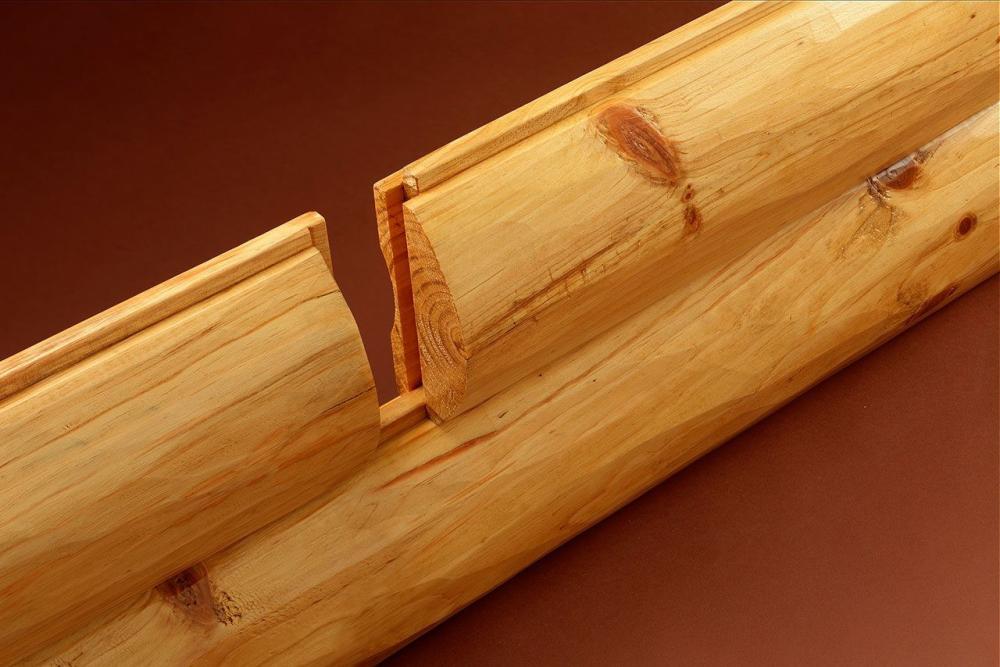 Knotty pine log siding provides valuable soundproofing benefits for your home or cabin. Homeowners and building contractors report these advantages over thinner wall material:
- Density and Absorption: The natural density of wood absorbs sound waves, preventing them from bouncing around, unlike harder materials like brick or concrete, which reflect noise.
- Improved Mass: Because pine log siding is thicker than traditional vinyl or wood siding, it adds significant mass to exterior walls, which is crucial for blocking outside noise from entering the home.
- Sound Dampening Structure: The cellular porous structure of pine wood works to trap air pockets, which helps slow down and dampen sound transmission.
- Reduced Vibration: Unlike thin siding that can vibrate and create noise in high winds, solid log siding remains quiet.
- Improved Structural Integrity: The heavy, dense nature of pine siding helps fill gaps and increases the overall acoustic insulation of the wall system. See why pine log siding is such a popular product today.
Enhancing The Soundproofing Effects
To maximize soundproofing, pine log siding can be paired with modern insulation techniques to create a more robust sound barrier. Homes in colder climates can benefit by installing 2x6 wall framing instead of 2x4 framing for more soundproofing because it holds thicker insulation.
Homeowners can also enhance soundproofing by building with premium-D log siding instead of half log siding because it is wider and thicker than other shapes. If your budget won’t allow the premium-D profile, go for half log siding or quarter log siding.
“Pine log siding with insulation in walls helps soundproof homes by providing thick, dense, and natural wood barriers that absorb and dampen external noise from traffic, wind, and neighbors”.
Insulate In The Right Places For Maximum Efficiency
Building with pine log siding instead of full logs provides the advantage of using the best types of insulation in the walls instead of only wood full logs. You can apply these soundproofing and deadening concepts to insulation:
- Premier-D log siding provides more insulation than half log siding.
- Always insulate in the six basic places: attics, under floors, in 4 walls.
- Select the best type of insulation for your home and climate.
- Build thicker walls, such as 2x6 framing instead of 2x4s to add more efficiency.
- Insulate between floors, such as between basements and first floors, and first and second floors in a two-story home to deaden noises.
- Seal tightly around doors, windows, outside log corners, and any gaps.
Types of Noises And Possible Issues
Noises heard within a home can be categorized as internal (generated by the house, systems, or residents) or external (originated from outside). Pine log siding with insulation between the walls helps soundproof and deaden them to provide a more peaceful home experience. Log siding helps with these internal and external noises:
Internal Noises
These sounds often originate from structural settling, HVAC systems, plumbing, or appliances:
- Structural Creaks and Pops: Common in older homes, these noises are often caused by the home settling on its foundation. Wood framing, floors, and stairs also expand and contract with changes in temperature and humidity, leading to creaking.
- HVAC System Sounds:
- Banging/Popping: Caused by ductwork expanding and contracting when heating or cooling units turn on.
- Whistling: Generally indicates restricted airflow, often due to a dirty or clogged air filter.
- Rattling: Might indicate loose parts within the air handler or furnace, such as panels or fan blades.
- Plumbing Noises:
- Gurgling/Bubbling: Often signals a plumbing vent issue, blockage, or air trapped in pipes.
- Water Hammering: A loud banging or hammering sound when water is turned off suddenly.
- Hissing/Running Water: Can indicate a hidden leak, burst pipe, or a faulty, high-pressure toilet fill valve.
- Electrical Buzzing/Humming: A low-level hum from electrical panels, outlets, or light switches can indicate loose wiring or overloaded circuits, which can be a fire hazard.
- Appliance Noises:
- Refrigerator: A humming or buzzing could indicate a compressor failure.
- Dishwasher: Grinding noises might mean something is stuck in the chopper blade.
- Pest Noises: Scratching, scurrying, or thumping sounds in walls or attics often indicate mice, rats, squirrels, or raccoons.
External Noises
These noises are caused by environmental factors or neighboring properties:
- Wind Whistling: High-pitched whistling around windows and doors indicates gaps, leaks, or poor insulation. Rain, sleet, hail, and blown snow are other common noises.
- Traffic and Neighbors: Sounds of vehicles, sirens, or neighbors (voices, footsteps) are common, especially in urban areas or multi-unit dwellings.
- Roof and Exterior Damage: Banging or flapping noises on the roof often indicate loose shingles or flashing, particularly during windy conditions.
- Rodents in Gutters: Repetitive scraping sounds in rain gutters can be caused by birds or rodents.
While many noises are harmless, some warrant immediate attention:
- Hissing/Sizzling: Possible gas leak or dangerous electrical issue.
- Rushing Water: Hidden pipe leak.
- Intense Scratching: Pest infestation.
- Beeping Alarms: Low battery or emergency warning.
Now you know more about noises you hear from within and without your log siding home with tips about how the siding helps can help reduce them. Visit our website to see all the log home siding building supplies you need.


