 Store Location
 Track Order



5 Favorite Stain Colors For Knotty Pine Floors
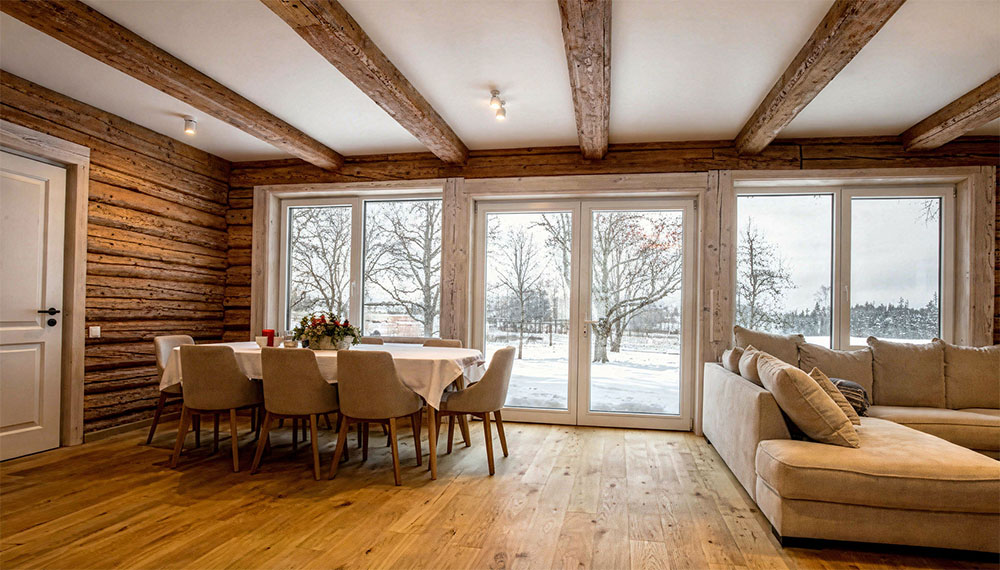
Knotty pine floors are beautiful in newly built homes or replacement floors in homes or cabins. Because pine naturally has warm, color undertones that can appear splotchy without preparation, the best stains for knotty pine floors utilize grays, deep rich browns, or whitewash. Gel formulas tend to create a modern, even, and high-end finish. Traditional stains also work well in oil-based and water-based options.
Why Knotty Pine Floors Are So Popular
Knotty pine floors are highly popular because they offer a beautiful, rustic aesthetic at a fraction of the cost of traditional hardwoods or imported woods. Their natural charm, eco-friendliness, and ease of installation make them a perennial favorite for log cabins, cottages, and conventional homes. Key reasons behind their popularity include:
- Highly Affordable: Knotty pine is significantly more budget-friendly than traditional native hardwoods or imported exotics, often saving buyers 50% to 70%.
- Distinctive Rustic Aesthetic: The natural dark knots, eye-catching grain patterns, and warm, honey-toned colors provide deep character and a cozy vibe.
- Sustainable & Renewable: Pine grows quickly on managed tree farms and federally approved forests, making it a highly renewable and environmentally responsible choice.
- Easy to Install: Pine is lightweight and simple to work with. Boards often feature tongue-and-groove, end-matching designs that allow for quick installation while hiding nail heads completely.
- Versatile Finishing: Pine can be easily sanded, drilled, and stained to fit a wide variety of color palettes and design patterns (like herringbone or traditional straight planks).
Popular Knotty Pine Flooring Stain Colors
Many beautiful stain colors are available on today’s market, but five stand out as favorites. The color you select depends on your home’s style, overall décor, and personal preferences. Research shows these are the top stain colors for knotty pine floors.
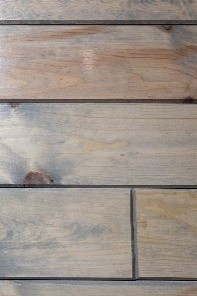
Classic Gray
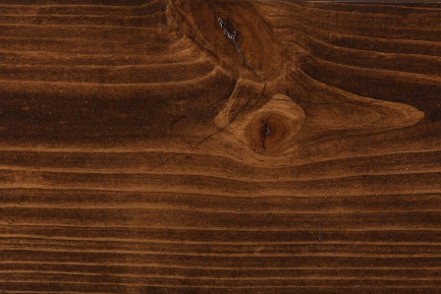
Bronze Walnut
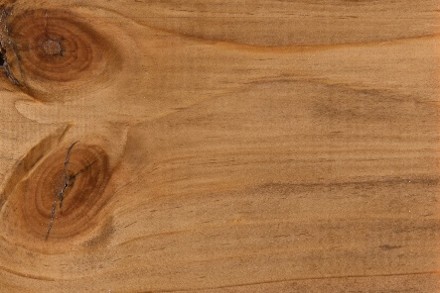
Early American
- Classic Gray: A popular pick for pine that helps tone down the natural yellow and orange hues. When applied alongside warmer stains, it balances the wood's inherent brightness. It looks terrific on knotty pine flooring. It is available in water-based and oil-based options that can be applied with a cloth or brush.
- Bronze Walnut: A sophisticated, moody, dark tone that modernizes knotty pine and minimizes the visual distraction of the knots. This Sherwin-Williams product creates a uniform, sleek, and high-end feel when paired with bright white trim. It is engineered to deliver rich color and exceptional grain clarity on pine floors. Bronze walnut is an oil-based penetrating stain that is applied with a cloth or brush.
- Early American: If you want warmth in pine flooring but desire a more refined look, Early American by MinWax offers a rich, mid-brown finish. It serves as a grounding neutral and pairs beautifully with modern decor, without looking too dark or orange. It beautifully enhances the natural grain of woods like knotty pine. This oil-based semi-transparent penetration stain can be brushed on or wiped on with a cloth.
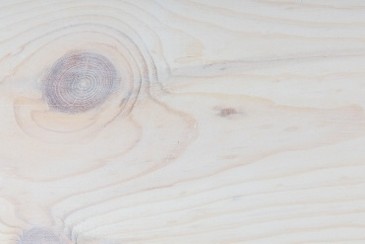
Whitewash/White Ash
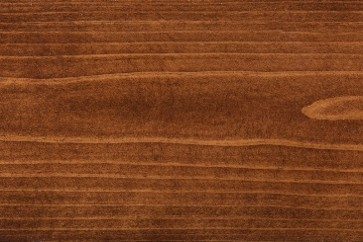
Chestnut
- Whitewash/White Ash: Whitewashing brightens dark or small spaces—making it perfect for pine flooring. The wood grain can peek through for a light, airy aesthetic. White Ash (Whitewash) is a staple for modern rustic and coastal-inspired rooms. It achieves a soft, muted finish while allowing the natural wood grain to show through. It also reduces yellowing and covers natural wood tones well. MinWax makes an oil-based stain that is very popular. Wipe it on, allow to penetrate briefly, and wipe off to control opacity and shade darkness.
- Chestnut: Classic chestnut is a beautiful, classic warm medium-brown, oil-based wiping stain by Sherwin-Williams featuring rich, warm undertones. It is a popular application for pine flooring to bring out natural depth and personality in the wood grain. It strikes the perfect balance for conventional homes and is fantastic for hiding minor imperfections or uneven spots on the wood. As with other stains, brush it on or wipe on with a cloth.
Tips For Staining Knotty Pine
Because pine is porous, it is prone to taking stains unevenly, such as uneven splotching. Consider using a gel stain, which is engineered to float evenly over uneven wood grains. You can also use MinWax pre-stain conditioner to even out the colors with traditional stain. Sand and clean the wood before staining it according to the stain manufacturer’s instructions. Once the stain has dried, you may want to apply a clear topcoat for more protection. If you use oil-based stain, apply oil-based clear coat. If you use water-based stain, apply water-based clear coat.
The final color can shift dramatically depending on the number of coats you apply. Be sure to test your selected stain directly on a spare piece of your knotty pine before committing. Test on two pieces of wood where you apply the stain and immediately wipe the excess off on one. Test the second piece of wood by letting the stain sit on it for a few minutes, and then wipe it off for a darker, deeper color. Yellow and orange undertones can be present in knotty pine. Many woodworkers counteract this by layering a gray or cool-toned stain to neutralize the wood before sealing.
We hope these stain colors have provided some help with choosing the best color for your knotty pine floors. Let us know your knotty pine flooring, baseboard, and stain needs at The Log Home Shoppe.


