 Store Location
 Track Order



Whitewash Knotty Pine Paneling With Stain
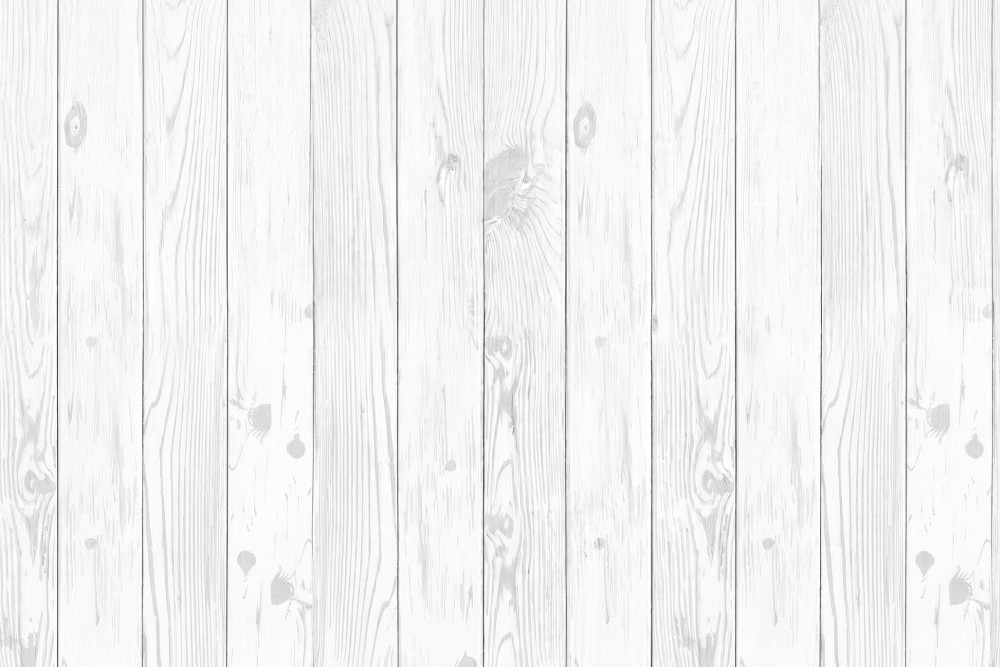
Whitewashing knotty pine paneling is a highly effective way to modernize a room while preserving the wood's natural texture. It brightens dark spaces, prevents future yellowing, and offers a durable, low-maintenance alternative to solid paint. Whitewashing your paneling with stain rather than paint offers several key aesthetic and practical benefits you can appreciate.
What Is Whitewash Stain?
A whitewash stain is a semi-transparent, milky white finish used on wood to lighten its natural tone while allowing the grain, texture, and character to remain visible. It is highly popular for achieving a weathered, rustic, cottage, or "farmhouse" aesthetic on walls, ceilings, interior furniture, and cabinets. Pre-mixed stains, such as Minwax and Sherwin-Williams are excellent products available in water-base and oil-base. Here’s what it looks like, and remember the hue or shade can vary with the type of wood used and if you apply a second coat or clear top coat:
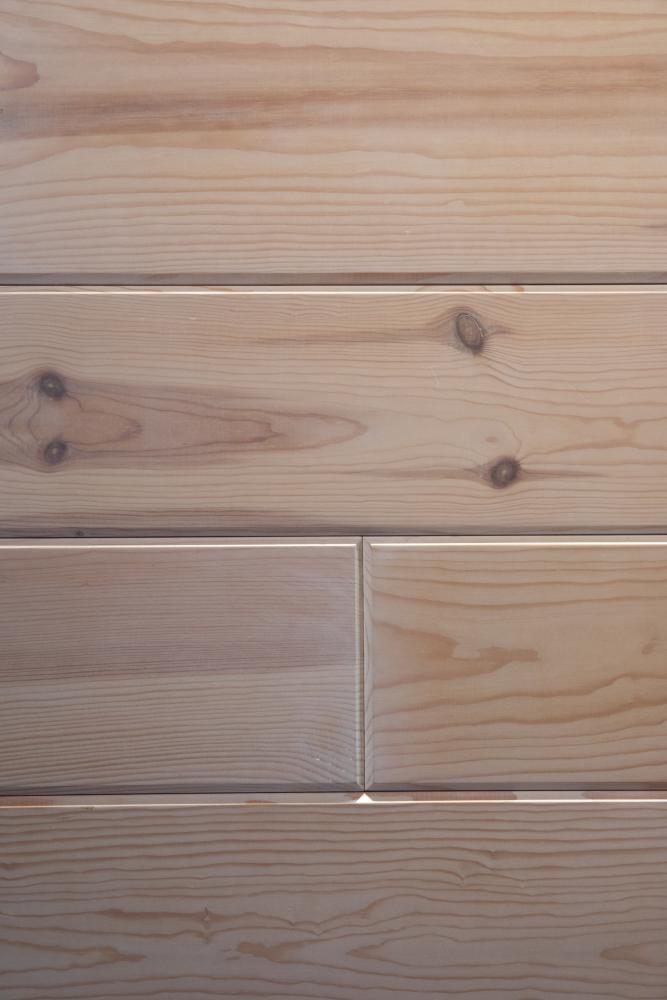
Whitewash Stain
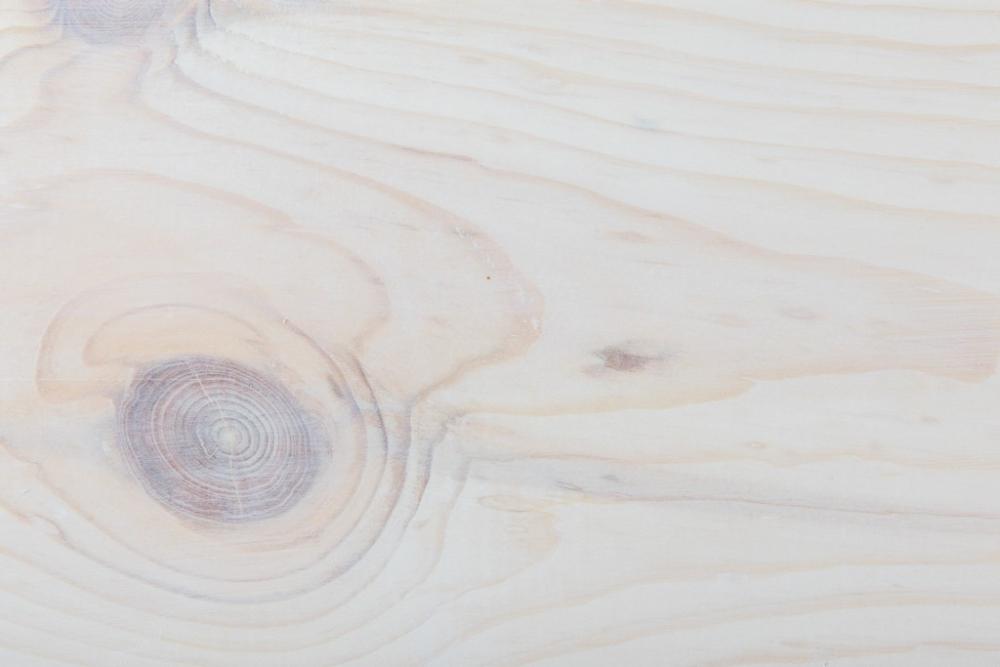
Whitewash Stain
Aesthetic Upgrades With Knotty Pine Paneling
Staining knotty pine paneling for walls and ceilings adds a modern aesthetic upgrade. The final product looks great in many styles of homes and provides these benefits:
- Brightens the Space: Unfinished or heavily varnished pine may make a room feel dark and dated. Whitewashing reflects more light, making spaces feel larger, airier, and more open.
- Preserves Wood Character: Unlike solid paint, a whitewash stain or mixture allows the natural wood grain and knots to show through, keeping the rustic charm intact.
- Modernizes the Look: It instantly achieves popular interior styles like modern farmhouse, coastal, or Scandinavian, breathing new life into old, yellowed pine.
Stain’s Practical And Maintenance Advantages
Staining prevents resin bleed, while painting knotty pine solid white often leads to sap and tannins bleeding through the paint and ruining the finish over time. Stain whitewash sinks directly into the pores, allowing the wood to breathe and naturally expand or contract with temperature changes.
Solid paint can peel, flake, or chip as the wood shifts. A whitewash stain penetrates the wood fibers rather than sitting as a brittle film on the surface and won’t chip or flake. Because the finish is translucent, minor scratches, scuffs, or dents blend in seamlessly, requiring less upkeep than a pristine painted wall, and provides easy touch-ups. Stains are available in many colors that do not need mixing with other colors commonly found in paints.
“It is highly popular for achieving a weathered, rustic, cottage, or "farmhouse" aesthetic on walls, ceilings, interior furniture, and cabinets.”
Whitewash With Stain, Not Paint
Whitewashing with stain instead of paint is the ideal way to provide a light-color finish. Painting new knotty pine wood is highly discouraged by professional painters and contractors. Stain eliminates these issues found in using paint and water for whitewashing:
- Stain sinks generously into wood, whereas paint just sits on top of wood.
- Staining promotes longevity much better than painting.
- Staining generally requires only one coat, while painting may need a primer and a top coat of paint.
- Wood stain is less expensive than paints, no matter the color.
- Stain can be applied with a cloth instead of an expensive brush.
How To Apply Whitewash Stain
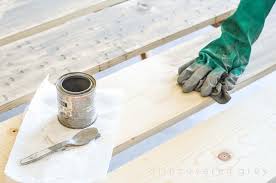 Applying a whitewash stain is relatively straightforward but requires attention to detail. It requires prepping the wood by sanding it to allow the wash to penetrate evenly, unless it comes pre-sanded. Blow off any sanding dust and brush or wipe the whitewash onto the wood following the direction of the grain. Make sure the temperature is warm enough and the room is essentially dust-free.
Let the wood sit for a few minutes (depending on how opaque you want it), and then use a lint-free rag to wipe off the excess. Apply a second coat if you want a brighter white, or seal it with a clear water-based topcoat (such as polyacrylic) to protect the finish. Stains and clear top coats take longer to dry in humid areas, so allow more time between coats.
Tips For Buying Knotty Pine Paneling
Knotty pine paneling comes in several forms, including tongue and groove end-matching, regular tongue and groove, shiplap, 4’x8’ thin sheets, and plain pine boards. Your best results for full walls, accent walls, wainscoting, and ceilings come with using tongue and groove, end-matching paneling for these reasons:
- It’s a “no-waste” product because the cut off pieces can be used to start the next row.
- This product can be end-butted on wall framing or anywhere in between framing.
- It goes up faster and easier with tight-fitting joints.
- The installed paneling lies flat because of its design.
- There is much less time spent measuring and sawing the boards.
- This product is available year-round online for your convenience.
Whitewashing your knotty pine paneling with stain creates beautiful walls and ceilings. If you don’t want to stain the paneling yourself or hire a painter, opt for ordering pre-finished paneling in whitewash or a variety of other colors from The Log Home Shoppe.


