 Store Location
 Track Order



Has Knotty Pine Paneling Gone Out Of Style?
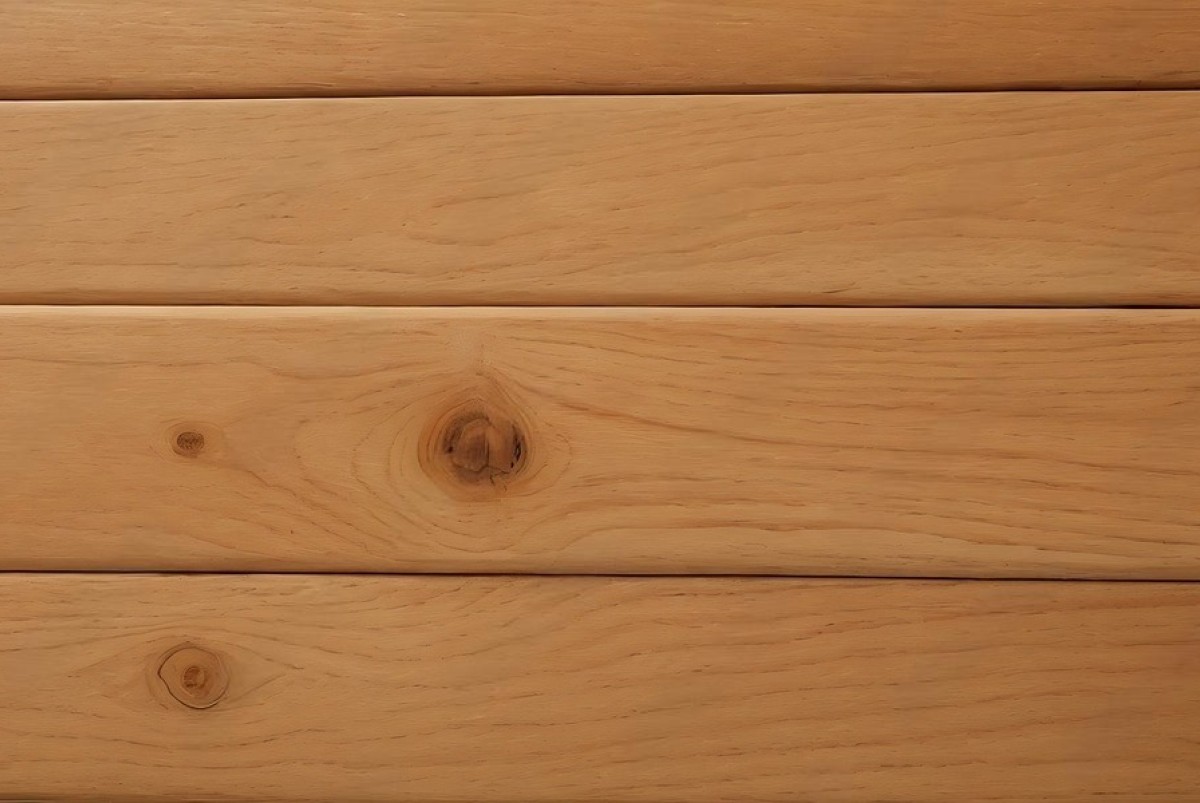
Knotty pine paneling has been used on interior walls since colonial days. Is it going out of style? The short answer is “no” because it is resurging today. Its popularity peaked in the mid-20th century when it was a common feature in homes, especially during the 1940s to 1960s.
Today, more than 35,000 log siding, full log, and timber frame homes and cabins are built each year, and many of them have knotty pine interior walls, ceilings, and floors. Knotty pine wood is known for its beauty, affordability, and sustainability because thousands of trees are replanted each year for future generations to use.
Knotty Pine Paneling And Its Early Use
Knotty pine paneling has been around since colonial times and perhaps even earlier in Europe. It has been used in many home and cabin styles from log cabins to conventional homes. The earliest migrations of people to the east coast of America found pine trees in abundance. It was plentiful, beautiful, and practical for everything from furniture to wall material.
As the pioneers moved to the Appalachian Mountains, they found plentiful hardwood trees for log homes and cabins. As they pushed farther west to the Rockies, they once again discovered an abundance of pine trees to build their homes.
Mid-20th Century Popularity
This beautiful natural product gained significant popularity from the 1940s through the 1960s in cabins, cottages, log homes, conventional homes, and state parks due to its availability and affordable cost. It was often used for walls, ceilings, floors, and kitchen and bathroom cabinets.
The mid-20th century saw a change from Victorian-style homes to simpler, down-to-earth styles. The vast majority of homeowners could afford knotty pine in their homes which was often found at lumber yards and saw mills. It was primarily mounted vertically on the walls, first with plain boards and later tongue and groove paneling.
“Knotty pine paneling has been used on interior walls since colonial days in America. Is it going out of style? The short answer is “no” because it is resurging today.”
Knotty Pine Paneling Resurgence
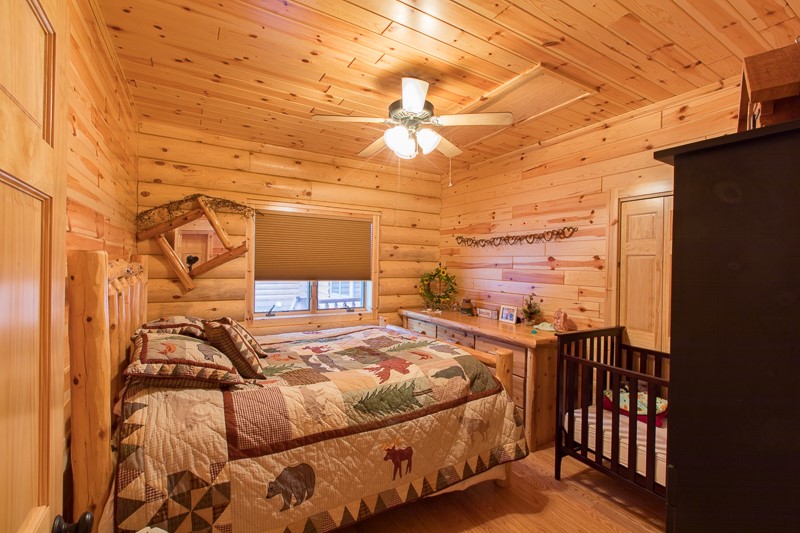 While it experienced a decline in popularity in some traditional homes during the latter half of the 20th century, knotty pine is making a strong comeback in recent years. Designers, homeowners, and construction companies are using it in fresh, modern ways in log cabins to conventional to modernistic homes.
Part of its popularity stems from the ‘green’ and sustainability movements. As hardwood trees are becoming scarcer and more expensive, knotty pine has gained prominence. Many synthetic wall, ceiling, and flooring products are seen as unnatural and costly products with too many volatile organic compounds (VOCs) used in their manufacture and applications.
Popular Applications Of This Wood
Knotty pine paneling was a particular favorite in wide panels installed vertically during its peak years. It was also popular as wainscoting on walls and beadboard paneling for walls and ceilings. Here are some other popular applications of this amazing wood:
| Closet and pantry linings | Toy boxes |
| Kitchen islands | Blanket chests |
| Beverage bars | Blanket and quilt chests |
| Kitchen shelving | Kitchen cabinetry |
| Dollhouses | Bathroom cabinetry |
|
Bookcases
|
If you are searching for a versatile wood product for other crafts, hobbies, household, or shop uses, you can’t go wrong with knotty pine. Let’s look at other features that make this wood product so special.
Knotty Pine Paneling Is A Cost-Effective Option
Pine paneling is an economical choice for paneling and ceilings because it is a sustainable and readily available product. It is easy to work and takes stain well, making it versatile for different design aesthetics. The cost of knotty pine is kept affordable because many tree farms plant thousands of trees each year. Most hardwood trees are not sustainable and are disappearing while their prices are skyrocketing.
Compared to native and imported hardwoods and exotic woods, knotty pine is a bargain. Buying direct from a mill and its stores provides lower prices than retailers who purchase their wood through middlemen suppliers.
Tongue And Groove End-Matching Paneling
For the best results for your walls and ceilings, use tongue and groove pine paneling with the end-matching design. It provides some benefits you will appreciate, including:
- It installs faster and easier than plane pine boards.
- There is less measuring, sawing, and nailing.
- It is a virtually “no-waste” product.
- This product can be end-butted between studs.
- There’s no need to splice two ends on wall framing.
- It is available in multiple widths for your needs.
- Pine paneling is available in unfinished and pre-finished conditions.
- It can be mounted horizontally, vertically, diagonally, or in a unique shape.
We hope this article has given you some ideas about the beauty and usefulness of knotty pine paneling and shown that it remains popular. Matching unfinished and pre-finished trims and moldings are available to complete your selection of pine paneling.


