 Store Location
 Track Order



Build Your Own Cabin With Cost-Effective Pine Log Siding
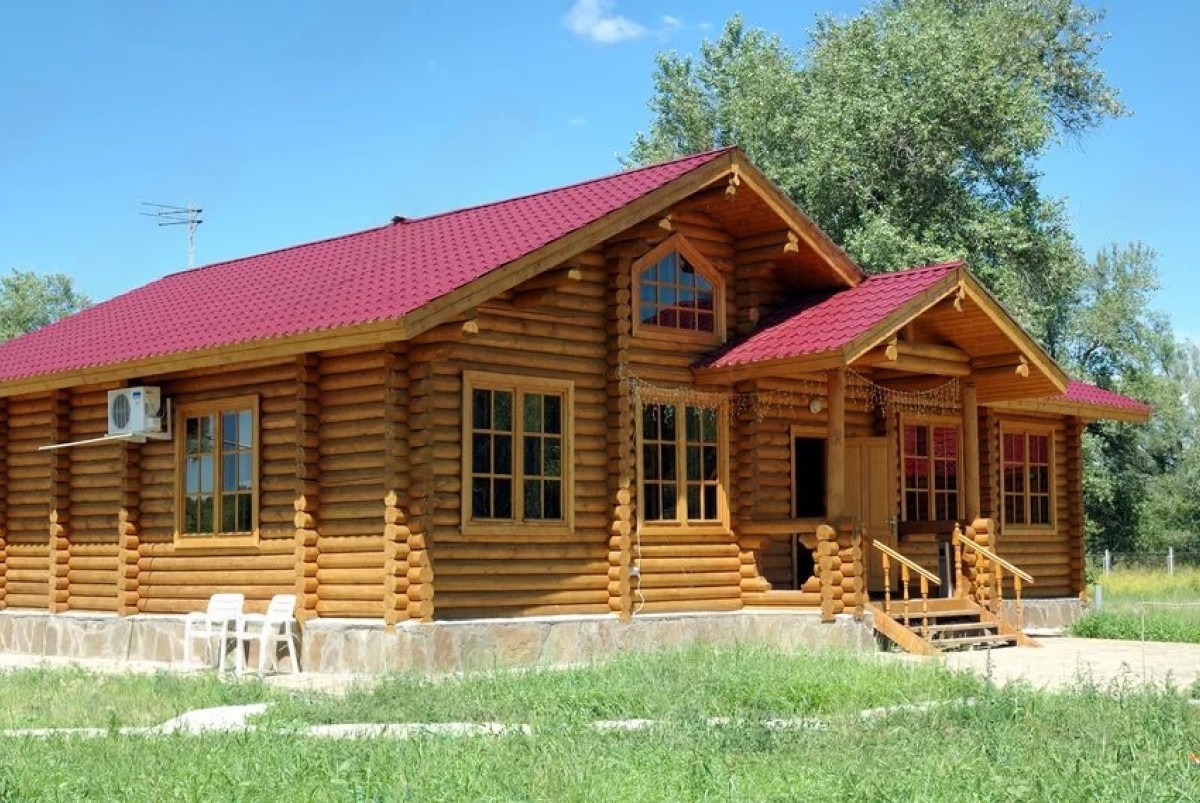
Are you thinking about building a log cabin rather than hiring a construction contractor? If you are, there two ways to save a lot of money. One is building it yourself with the help of family and friends with homebuilding experience, knowledge, and skills. The other is building with pine log siding instead of full logs. You get the full log look without the full log price. It will also be easier and less costly to maintain your cabin over the years. Let’s see what is involved in building your own cabin with this outstanding product.
Planning And Basic Preparation
Building your own pine log siding cabin involves several key steps between planning and moving in. Here’s a more detailed breakdown beginning with planning and basic preparation.
- Evaluate Your Lifestyle and Set a Budget: Determine your needs and wants, desired features, and overall budget for the project.
- Assemble Your Home Building Team: If you are acting as the general contractor, put together a team of experienced family members, friends, and subcontractors.
- Secure Financing: Explore construction loan options and understand the down payment requirements, which can be around 20% or more of the total cost.
- Find and Purchase Land: Secure a suitable building lot, ensuring it meets your needs and is compatible with your desired house plan.
- Suppliers: Research many suppliers to find the best quality materials and prices.
Home Design And Permitting For A Pine Log Siding Cabin
When designing and planning your cabin, you can work with an architect, choose a pre-designed plan, or draw the plans yourself. The architectural plan should include the placement of the cabin on the lot, exterior designs, interior designs, and every detail. Consider the number of rooms, their purpose, and how they will be used. Create a rough plan including all these details.
If you are undecided about some details, gather inspiration from online home sources and magazines to find it. Develop your floor plan by using 2D and 3D drawings with home building software if possible to make it seem real and meet your needs.
It is necessary to secure all required building permits from the local authorities and understand the local regulations before starting any construction. Once you do, make a complete list of building materials, subcontractors, cost of both, and a completion schedule including time for delays. Keep in mind the building inspector may ask you to rework several parts of your cabin because your work may not meet building codes. The best plan is to carefully study each phase of your construction before you begin to avoid this issue. Find out why natural pine log siding is superior to manmade siding materials.
“Are you thinking about building a log cabin rather than hiring a construction contractor? If you are, there two ways to save a lot of money.”
Constructing Your Pine Log Siding Cabin
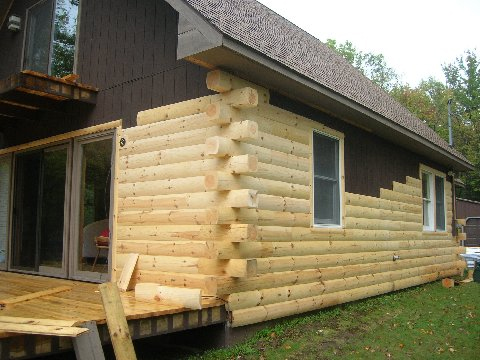 Constructing a pine log siding cabin consists of many details and steps you should follow in a logical order from preparing the site to finishing the small details.
- Prepare the site: You or someone else must clear the land, survey the property, make a driveway, and ensure proper utility access.
- Order the Building Materials: Include your choice of pine log siding styles (profiles), log corners, and log trims. Plan with subcontractors who will purchase materials for their specialties.
- Pour the Foundation: This crucial step includes concrete footers and walls, reinforcement where needed, waterproofing, and trenching around the exterior for water drainage.
- Frame the House: Build the structural framework of the cabin including floors, walls, and roof.
- Install the Utilities: Plumbing, electrical wiring, and HVAC systems are installed during this phase.
- Add Insulation: Install the proper insulation for energy efficiency and comfort.
- Install Pine Log Siding: Install the log corners, window and door trims, and next the log siding is installed to the exterior and interior wall framing.
- Complete Interior and Exterior Finishes: You must stain the log siding, stain the wood flooring if necessary, install cabinetry, and fixtures. Landscaping is typically the last thing to do before moving in.
Completion And Move-In
Conduct a final inspection to ensure the cabin meets all building codes and your expectations. If you want to make any changes, it’s best to make them before you move in. After final approval, you can finally begin the move into your newly built log cabin.
Here are some useful tips to make moving in more efficient and faster. Focus on meticulous planning, strategic packing, and effective unpacking. This includes decluttering beforehand, packing room by room, labeling everything clearly, and prioritizing essentials for the first night. Have a backup crew to help load the moving truck or trailer in case there is a shortage of labor the day you are ready to go. We hope these recommendations will make your home construction work go smoother.


