 Store Location
 Track Order



Complete Guide To Seasonal Log Home Maintenance
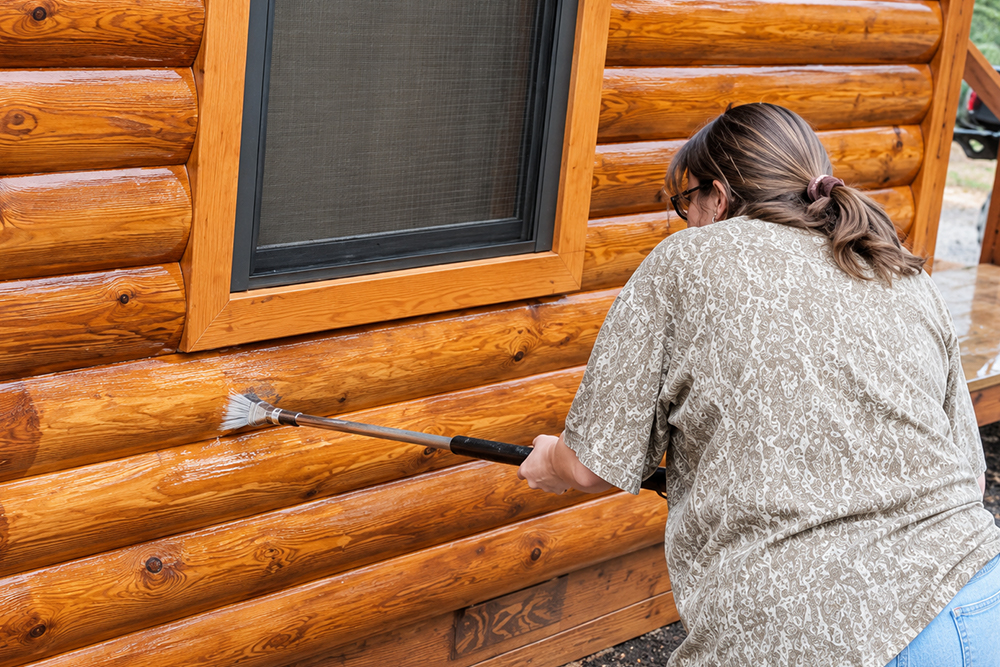
Maintaining a log siding or full log home requires a simple, seasonal rhythm to protect the wood from moisture, UV rays, and pests. Log homeowners emphasize consistency and catching moisture issues early before small cracks turn into costly decay repairs. Let’s start with spring cleaning and move through the rest of the year.
Log Home Maintenance: Spring Inspection and Wash
Start spring cleaning by giving your log home a bath with a log cleaner to remove pollen, cobwebs, and dust. It also will help reveal where stain may need to be replaced. Photograph problem areas and schedule staining before summer heat begins.
- Perform a water bead test: Spray the walls with water; if the water no longer beads up or the wood looks faded or chalky, the finish is wearing down.
- Wash the exterior: Use a gentle log cleaner (like a specialized log wash) and low pressure to strip away winter dust, pollen, and mildew without damaging the finish.
- Inspect for winter damage: Check for new or widening checks (splits in the wood), cracked chinking, or loose sealants that have opened up from freezing and thawing.
- Staining and sealing: Stain your exterior walls where needed now or early fall.
Summer: Pest Control and Air Flow
As summer begins, watch for carpenter bees and wasps and check that gutters and drainage still move water away from log walls. Perform the following tasks at this time:
- Watch for insects: Inspect logs for round carpenter bee holes, small piles of sawdust, or wasp activity, and treat affected areas promptly.
- Manage landscaping: Keep shrubs, tree branches, and tall grass cut back at least 18 to 24 inches from the log walls to promote airflow and prevent dampness.
- Check sun-exposed sides: South- and west-facing walls take the brunt of UV heat and may show dry or fading finishes more quickly than shaded sides. Take note of any areas that need staining in the fall.
“Maintaining a log siding or full log home requires a simple, seasonal rhythm to protect the wood from moisture, UV rays, and pests.”
Log Home Maintenance: Fall Sealing and Drainage
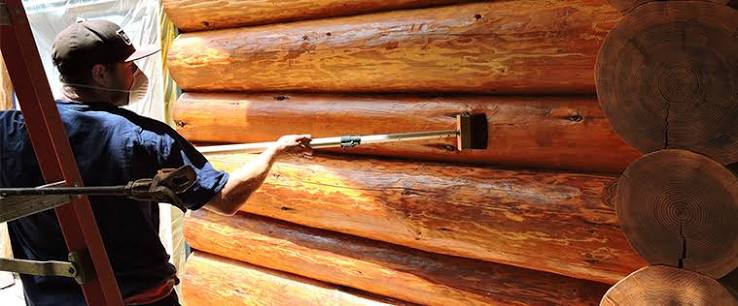 The summer heat and falling leaves create additional work the homeowner or a home cleaning technician can complete, including the following:
- Clean gutters and downspouts: Ensure rain and melting debris flow completely away from the foundation rather than splashing back onto lower log courses.
- Touch up caulk and chinking: Seal up any gaps, upward-facing checks, or degraded joints before freezing temperatures set in.
- Clear decks and bases: Remove built-up leaves, pine needles, and organic debris from porch corners, deck edges, and the base of walls.
- Staining and sealing: Stain and seal the exterior walls if you did not do this in the spring.
Winter Work: Visual Checks and Interior
Winter can bring snow, sleet, and more rain that brings extra attention to your log home. The extent of the work depends on your climate, including temperature and wind.
- Monitor snow drifts: Keep heavy snow from piling up and packing against the lower exterior log walls.
- Check interior corners: Look for drafts, frost, or condensation around windows, doors, and log joints—early warning signs that exterior seals have failed.
- Maintain steady heat: Keep interior temperatures stable (around 60°F or higher) to prevent pipes from freezing or sudden structural shifts in the wood.
Interior Cleaning and Maintenance
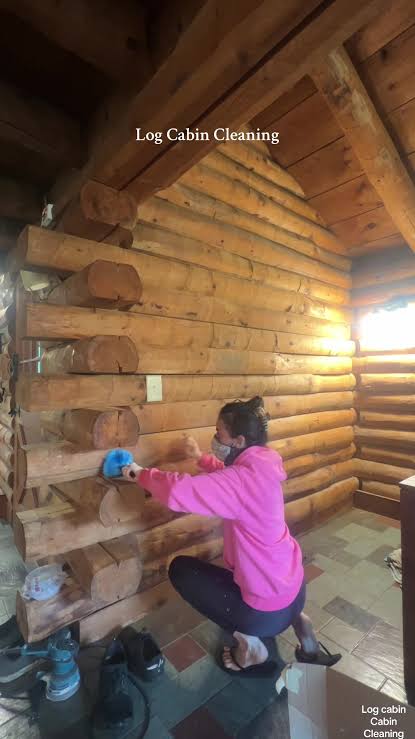 Keeping a log home's interior clean and well-maintained year-round requires managing dust, moisture, and settling, if any. Start with routine interior cleaning and move to seasonal maintenance and checks. Use a soft brush attachment on a vacuum cleaner or a dry microfiber cloth to remove dust and cobwebs from log surfaces, ceiling beams, and high corners. Work from the top of the room down.
Use tack-cloth log washing for deeper wall cleaning without harsh moisture. Mix a pH-neutral wood or log cleaner (such as a specialized log wash like 1 cup per gallon of water.) Use a two-bucket method—one for the cleaning solution and one for clean rinse water—wiping gently with the wood grain and drying with a clean rag. Kitchen and bath greasy buildup cleaning comes next.
For kitchen logs exposed to cooking vapor or high-humidity zones like bathrooms, use mild solutions such as vinegar, lemon oil, or mineral oil, and ensure there is adequate exhaust ventilation. Avoid harsh bleach, ammonia, or steel wool, which can damage the wood finish.
Seasonal Maintenance & Checks
- Monitor Settling and Cracks: As logs naturally dry and shift in full log homes, inspect interior walls, chinking, and drywall (especially near center joists and corners) for new cracks, separation, or gaps. Log siding homes do not settle like full log homes. Refill or re-caulk checks as needed.
- Humidity and Climate Control: Maintain a steady indoor humidity level via your HVAC system or a dehumidifier. Extreme swings in indoor moisture cause wood logs to shrink, swell, or crack further.
- Fireplace & Stovepipe Safety: If your log cabin features a wood-burning stove or fireplace, have the chimney, flue, and surrounding clearance inspected and cleaned annually before winter use. Clean them halfway through the heating season if they are used heavily.
- Finish and Touch-Ups: Inspect interior clear coats, water-based acrylic stains, or polyurethane finishes (especially in high-wear or high-moisture zones) and touch up scuffs or scratches to protect the bare wood.
- For structured guides on log preservation and care methods, you can review the Timeless Wood Care Interior Cleaning Guide or consult We Fix Log Homes for finish and moisture tips.
Keeping your log home clean and maintained year-round is a priority for any style of log home. You can do the work yourself by following the guidelines presented in this article. If you don’t feel comfortable with these cleaning and maintenance tasks, hire a professional.


